


Why Nausea After Meals Gets Worse in Summer: When to Self-Refer
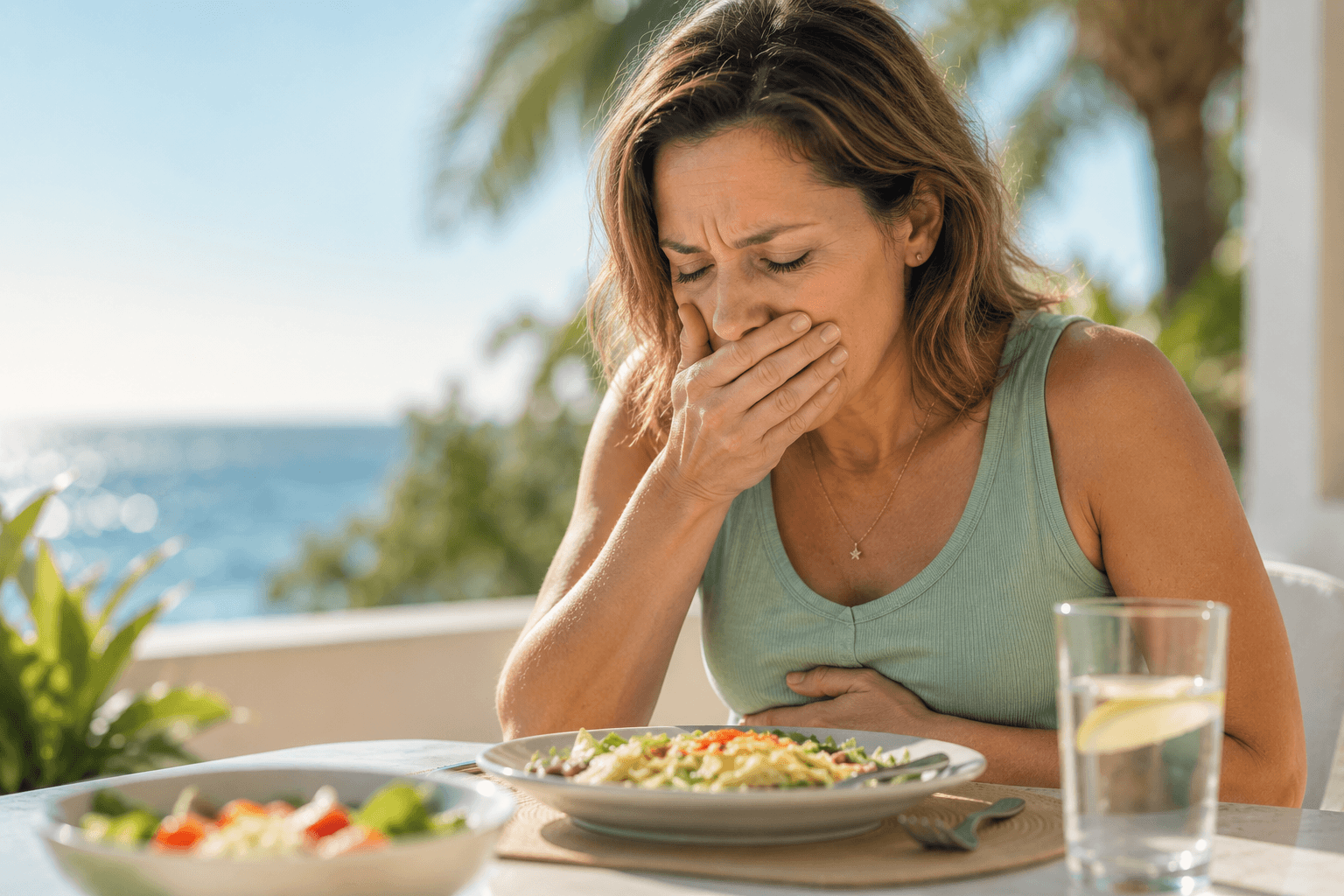

Most people assume nausea after eating means food poisoning or stress, but persistent post-meal nausea in adults over 45 often signals underlying gastric or duodenal conditions that worsen in warmer weather. June 2026 NHS data shows diagnostic waiting times stretch to 16–20 weeks during summer months as staff take annual leave, yet this is precisely when temperature-related symptom changes make patients most anxious. The patients who self-refer now for private endoscopy often wish they had acted sooner rather than enduring months of dietary restriction and escalating worry.
If you have been experiencing nausea after meals that intensifies during warmer weather, you are not imagining the pattern. Summer brings specific physiological and lifestyle changes that exacerbate digestive symptoms, and understanding why this happens can help you decide when to seek diagnostic investigation rather than continuing to hope the problem will resolve on its own.
What Is Post-Meal Nausea?
Post-meal nausea describes the sensation of queasiness, fullness, or impending vomiting that occurs within 30 minutes to two hours after eating. It differs from general nausea by its direct temporal relationship to food intake and often accompanies other symptoms like bloating, early satiety, or upper abdominal discomfort.
You might notice that certain meals trigger the sensation more reliably than others, or that the nausea builds gradually as you eat rather than appearing suddenly. Some patients describe it as a heavy, uncomfortable fullness that makes them regret eating at all. Others experience waves of queasiness that force them to lie down until the sensation passes.
In adults over 45, persistent post-meal nausea lasting more than three weeks warrants investigation rather than reassurance, particularly when accompanied by unintentional weight loss, changing food tolerances, or family history of gastric conditions. This is not the occasional upset stomach after overindulging at a celebration meal. This is a consistent, predictable pattern that affects your daily quality of life and makes you think twice before eating.
Where and When the Problem Happens
The symptom intensifies during summer barbecues and social eating when richer, fattier foods predominate and when dehydration compounds gastric motility issues. You might find yourself declining invitations to outdoor gatherings because you know the combination of grilled meats, warm weather, and social pressure to eat will leave you feeling miserable for hours afterwards.
It strikes hardest at evening meals after a full day of work, when cumulative stress and delayed gastric emptying converge. By 7pm, you are tired, possibly slightly dehydrated if you have been working in warm conditions, and your digestive system is less efficient than it was at breakfast. The meal you eat then sits heavily, triggering that familiar wave of nausea within 20 to 30 minutes.
Patients notice the pattern worsening in warm weather when they eat lighter meals outdoors but still experience the same nausea, ruling out simple dietary causes. You have already tried switching to salads, eating smaller portions, avoiding spicy foods, and all the other obvious modifications. Yet the nausea persists. This realisation is often the turning point where you recognise that something deeper is wrong.
The anxiety peaks late at night when you search symptoms online and discover potential serious diagnoses, then face the realisation that your GP surgery is closed until Monday. The waiting and worrying become their own burden, separate from the physical symptoms themselves.
Why Summer Makes Nausea After Meals Worse
Several physiological factors converge in warmer months to worsen post-meal nausea, particularly for those with underlying gastric conditions.
Dehydration and Gastric Motility
Higher temperatures increase fluid loss through perspiration, and even mild dehydration slows gastric emptying. When your stomach takes longer to move food into the small intestine, that food sits in the stomach cavity longer, increasing the sensation of fullness and nausea. If you have an underlying condition like gastritis or delayed gastric emptying, dehydration makes these problems significantly worse.
Dietary Changes in Summer
Summer eating patterns shift towards barbecued meats, fatty foods, alcohol at social gatherings, and irregular meal timing. Fatty foods require more gastric acid and longer digestion times. If you have peptic ulcer disease, gastritis, or reduced stomach acid production (common in over-45s), these rich summer foods trigger symptoms more reliably than lighter winter meals.
Heat and Blood Flow
In hot weather, your body redirects blood flow to the skin for cooling, reducing blood supply to the digestive system. This compromises digestive efficiency and can worsen symptoms in people with existing gastric or duodenal conditions. The nausea you experience after a summer lunch may be partly due to your body prioritising temperature regulation over digestion.
Increased Social Eating Pressure
Summer brings more social eating occasions where declining food feels awkward. You might eat foods you would normally avoid, eat larger portions than comfortable, or eat at times when you are not actually hungry. Each of these scenarios increases the likelihood of post-meal nausea, particularly if you already have an underlying condition.

Why Post-Meal Nausea Matters
Persistent post-meal nausea in the over-45 age group can indicate peptic ulcer disease, gastritis, gastric outlet obstruction, or early gastric malignancy, all requiring definitive diagnosis via gastroscopy. These are not conditions that resolve with dietary changes alone, and delaying diagnosis means delaying appropriate treatment.
Delayed diagnosis means months of unnecessary dietary restriction, social isolation as patients avoid restaurants, and work absences that affect income and career. You might find yourself turning down client lunches, avoiding team celebrations, or leaving work early because you feel too unwell to continue. The professional and social costs accumulate quietly but significantly.
The psychological burden is substantial. Health anxiety escalates with every meal, sleep quality deteriorates, and quality of life plummets whilst waiting for answers. You lie awake at night mentally cataloguing your symptoms, searching for patterns, and wondering whether you are overreacting or dangerously under-reacting to something serious.
Early gastroscopy provides either reassuring normal findings or identifies treatable conditions before complications develop, fundamentally changing the patient's trajectory. A normal gastroscopy result allows you to focus on functional management strategies without the shadow of undiagnosed serious pathology. An abnormal result allows you to begin targeted treatment immediately rather than continuing with ineffective empirical management.
Why Post-Meal Nausea Gets Missed
GPs working under 10-minute appointment constraints often initially manage post-meal nausea with empirical proton pump inhibitor trials and lifestyle advice, delaying referral for 8–12 weeks to see if symptoms resolve. This approach is clinically reasonable for many patients, but it extends your time without answers and can delay diagnosis of conditions that require endoscopic investigation.
The NHS two-week wait pathway applies to alarm symptoms like dysphagia or significant weight loss, but isolated post-meal nausea without these red flags enters routine referral pathways with 12–20 week waits. If your nausea is severe and persistent but you have not lost weight or developed swallowing difficulties, you do not qualify for urgent investigation under current NHS criteria.
Patients themselves delay seeking help, attributing symptoms to stress, ageing, or dietary indiscretion rather than recognising them as potential indicators of serious pathology. You tell yourself it is probably nothing, that you are getting older and digestion naturally becomes more sensitive, that you just need to manage stress better or eat more carefully. These rationalisations feel reasonable in the moment but can delay diagnosis by months.
The summer backlog compounds this as hospital endoscopy units operate at reduced capacity during the traditional holiday period from June through August 2026. Even if your GP refers you in early June, you may not receive a gastroscopy appointment until October or November. That is four to five months of continued symptoms, mounting anxiety, and life restrictions whilst you wait for a procedure that takes 15 minutes to perform.
When to Consider Self-Referral for Private Gastroscopy
Self-referral becomes the prudent choice when post-meal nausea persists beyond three weeks despite dietary modification and over-the-counter remedies. If you have already tried eating smaller meals, avoiding trigger foods, taking over-the-counter antacids, and managing stress, but the nausea continues, investigation is appropriate.
Warning Signs That Warrant Urgent Investigation
Several red flag features indicate that self-referral for prompt gastroscopy is the appropriate course of action:
- Nausea that wakes you at night – Symptoms severe enough to interrupt sleep suggest significant pathology rather than simple functional dyspepsia.
- Progressive worsening over weeks – If your symptoms started mild but have steadily intensified, this trajectory warrants investigation.
- Accompanying weight loss exceeding 3kg – Unintentional weight loss combined with post-meal nausea is a recognised alarm feature requiring endoscopy.
- New food intolerances, particularly to meat or protein – Developing an aversion to foods you previously enjoyed can indicate gastric pathology.
- Family history of gastric cancer in first-degree relatives – This significantly increases your risk and lowers the threshold for investigation.
If your GP has initiated an NHS referral but the wait exceeds eight weeks and your anxiety is affecting daily function, private self-referral offers consultant-led gastroscopy within 7–10 days. The question is not whether you need investigation, but whether you can afford to wait months for that investigation whilst your quality of life deteriorates and your anxiety escalates.
The decision threshold lowers further if you are over 55, have a change in long-standing dyspepsia pattern, or have persistent nausea unresponsive to a four-week PPI trial. These features do not necessarily indicate serious pathology, but they do indicate that empirical management has failed and diagnostic investigation is the appropriate next step.
How Endocare Diagnostics Addresses Summer Waiting List Anxiety
Endocare Diagnostics offers consultant-led gastroscopy appointments within one week of self-referral, eliminating the summer waiting list anxiety that paralyses patients. When you contact our Manchester clinic in early June, you can typically receive your consultation and diagnostic procedure before mid-June, with histology results available by the end of the month. This timeline transforms your summer from months of anxious waiting into rapid investigation, diagnosis, and treatment planning.
Our Manchester facility provides same-consultant continuity from initial consultation through procedure to results discussion, ensuring you receive personalised explanations rather than fragmented care. You will meet your consultant gastroenterologist at your initial appointment, that same consultant will perform your gastroscopy, and that same consultant will discuss your results with you. You are not passed between junior doctors, locums, and registrars. You have one expert who knows your case and takes responsibility for your care pathway.
We offer transparent pricing with no hidden costs, sedation options tailored to your anxiety levels, and comprehensive histology results within five working days. You will know the total cost before you commit to the procedure. If biopsies are taken (a routine part of diagnostic gastroscopy), the histology costs are included in your quoted price. Sedation is included, not charged as a separate extra. Follow-up consultation to discuss results is included, not billed separately.
Our consultants communicate findings in accessible language and provide written discharge summaries you can share with your GP for integrated ongoing care. You will leave with a clear understanding of what was found, what it means, and what happens next. The written summary is detailed enough for your GP to continue your care appropriately, ensuring that your NHS and private care are properly coordinated rather than working in parallel without communication.
What to Expect from Gastroscopy at Endocare Diagnostics
Understanding the procedure reduces anxiety and helps you make an informed decision about self-referral.
Initial Consultation
Your consultant gastroenterologist will take a detailed history, examine you, and explain whether gastroscopy is appropriate for your symptoms. This consultation typically lasts 20–30 minutes and allows you to ask questions about the procedure, sedation options, and what findings might be expected. Many patients find that simply having their concerns taken seriously by a consultant reduces their anxiety significantly.
The Gastroscopy Procedure
Gastroscopy is typically performed under conscious sedation, meaning you are relaxed and drowsy but breathing independently. A thin, flexible endoscope is passed through your mouth into your oesophagus, stomach, and duodenum, allowing your consultant to visualise the lining of your upper digestive tract directly. The procedure takes 10–15 minutes. Biopsies are taken if abnormal areas are seen, or sometimes routinely to check for Helicobacter pylori infection or microscopic inflammation.
Most patients remember little or nothing of the procedure due to the sedative medication. You will need someone to accompany you home and should not drive, operate machinery, or make important decisions for 24 hours after sedation.
Results and Follow-Up
Your consultant will discuss initial findings immediately after the procedure, explaining what was seen and whether biopsies were taken. Written results including histology (if biopsies were taken) are provided within five working days. A follow-up consultation is arranged if further treatment or investigation is needed, or you are discharged back to your GP with a comprehensive summary if findings are normal or easily managed.
Taking Control of Your Digestive Health This Summer
Post-meal nausea that persists through summer despite dietary changes deserves investigation now, not in autumn when NHS backlogs finally clear. The combination of worsening symptoms in warm weather, extended NHS waiting times during the holiday season, and the psychological burden of uncertainty creates a compelling case for private self-referral in June 2026.
Self-referral to Endocare Diagnostics means you control the timeline, receive consultant-led care, and gain definitive answers within two weeks rather than waiting months in mounting anxiety. You transform the narrative from passive waiting and worry to active investigation and resolution. You reclaim your summer rather than spending it in dietary restriction and social isolation.
If you have been experiencing persistent nausea after meals, particularly if it has worsened during warmer weather, if you are over 45, or if you have any of the warning signs discussed above, self-referral for diagnostic gastroscopy is a medically appropriate and psychologically sound decision.
Call our Manchester clinic on 0161 448 1080 to book your consultation, or complete the self-referral form on our website at endocare-diagnostics.co.uk to take back control of your digestive health this summer.
The patients who contact us in June consistently express the same sentiment: they wish they had acted sooner. The relief of having a confirmed diagnosis, or the reassurance of normal findings, is worth far more than the cost of private investigation. Do not spend another month wondering what is wrong when you can have answers within a fortnight.


