


When Should I Worry About Blood in My Stool?
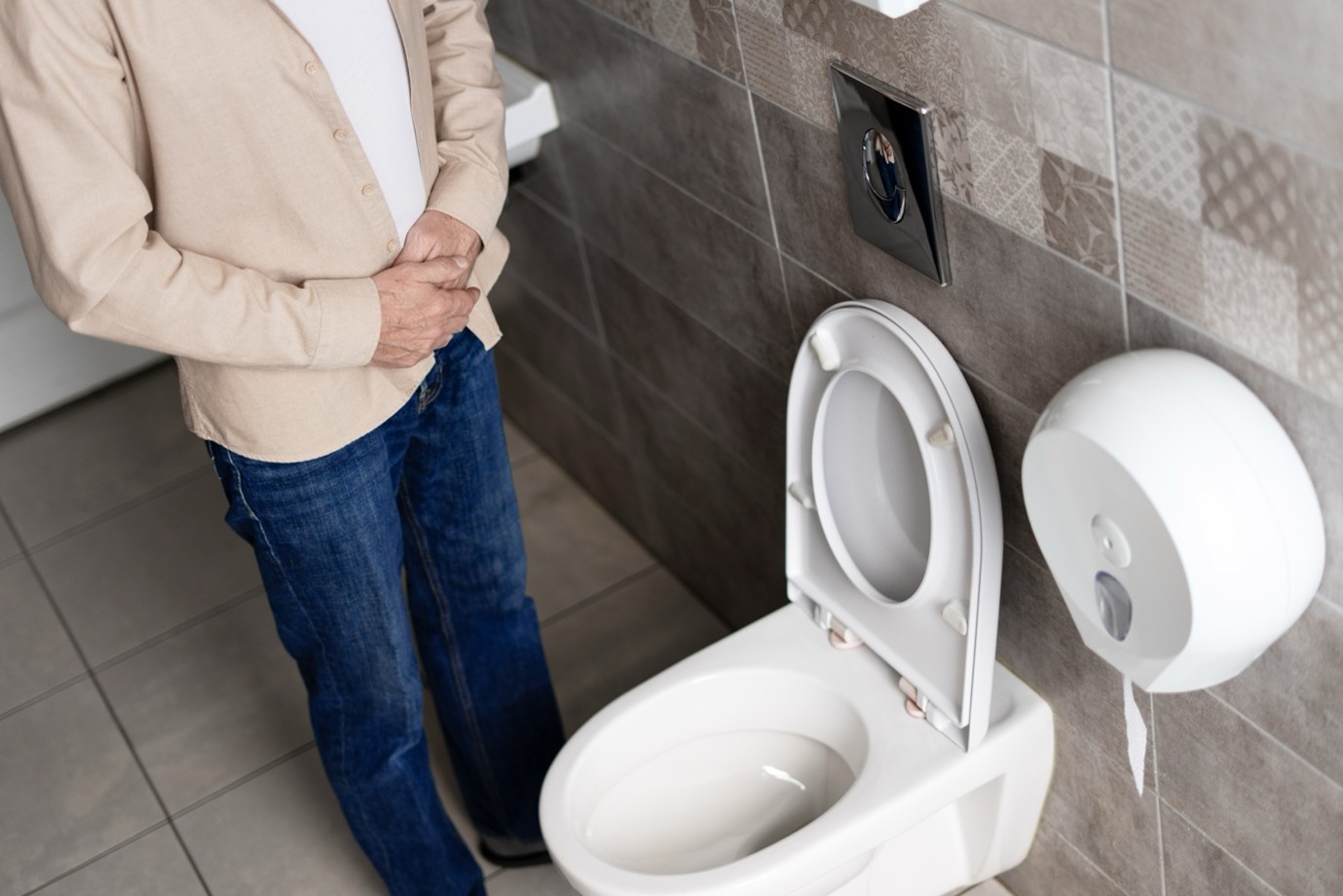

Seeing blood in your stool can be frightening. Even a small amount can immediately trigger worry, especially if it happens unexpectedly or more than once. Many people feel unsure whether to ignore it, wait and see, or contact a doctor straight away.
The reality is that blood in the stool is quite common and often caused by minor, treatable issues. However, in some cases it can be a sign that something more serious is going on. Knowing when blood is likely harmless, and when it needs investigating, is key.
This guide explains the common causes of blood in the stool, how to recognise warning signs, and when it is important to seek specialist advice.
Is blood in the stool always serious?
Not always. In many cases, blood in the stool is caused by issues around the anus or rectum rather than something deeper in the bowel.
That said, blood should never be ignored completely, especially if it keeps happening or is accompanied by other symptoms.
A helpful rule of thumb is:
- A single episode with an obvious cause may not be serious
- Repeated bleeding, unexplained bleeding, or bleeding with other symptoms should be checked

What does blood in the stool look like?
The appearance of the blood can offer clues about where it is coming from.
- Bright red blood often comes from the lower bowel, rectum, or anus
- Dark red or maroon blood may come from higher up in the bowel
- Black, tarry stools can indicate bleeding in the upper digestive tract
You may notice blood:
- On toilet paper when wiping
- In the toilet bowl
- Mixed with stool
- On the surface of stool
Any of these can be concerning, but context matters.
Common causes of blood in the stool
Haemorrhoids (piles)
Haemorrhoids are the most common cause of bright red blood in the stool. They are swollen blood vessels in or around the anus.
Typical signs include:
- Bright red blood when wiping
- Blood on the surface of stool
- Itching or discomfort
- Pain when passing stool
Bleeding from haemorrhoids often happens after straining or passing hard stool.

Anal fissures
An anal fissure is a small tear in the lining of the anus. It can cause:
- Sharp pain during bowel movements
- Bright red blood on toilet paper
- Burning or stinging after using the toilet
Fissures are often linked to constipation or hard stools.
Constipation or straining
Passing hard stools or straining frequently can irritate the anal canal and cause small amounts of bleeding, even without haemorrhoids or fissures.
Infections or inflammation
Gut infections or inflammation can irritate the bowel lining and cause bleeding. You may also notice:
- Diarrhoea
- Abdominal pain
- Mucus in the stool
- Fever or feeling unwell
Inflammatory bowel disease (IBD)
Conditions such as Crohn’s disease or ulcerative colitis can cause ongoing bowel inflammation. Symptoms may include:
- Persistent diarrhoea
- Blood and mucus in stool
- Abdominal pain
- Fatigue
- Weight loss
Bleeding related to IBD should always be assessed.

Polyps or growths
Polyps are growths in the bowel that can sometimes bleed. Most are benign, but some can develop into cancer over time. Bleeding may be:
- Occasional
- Painless
- Mixed with stool
This is why unexplained bleeding should be investigated, particularly in adults over 40.
When should I worry about blood in my stool?
You should seek medical advice if any of the following apply:
- Blood appears more than once
- Bleeding continues for more than a few days
- Blood is mixed into the stool, not just on the paper
- You have unexplained weight loss
- You have ongoing diarrhoea or constipation
- You experience abdominal pain or cramping
- You feel tired or weak, which could suggest anaemia
- You notice mucus along with blood
- You have a family history of bowel cancer or IBD
- You are over 40 and bleeding has no clear cause
These symptoms do not automatically mean something serious, but they do mean it is important to get checked.
What should I do if I notice blood in my stool?
If it happens once and you suspect a clear cause such as constipation or haemorrhoids, you can:
- Increase fibre and fluid intake
- Avoid straining
- Monitor symptoms closely
If bleeding returns or you are unsure of the cause, it is best not to delay seeking advice.
How is blood in the stool investigated?
Depending on your symptoms, investigations may include:
- Stool tests
- Blood tests
- Imaging
- Endoscopy or colonoscopy if required
These tests help identify the cause, rule out serious conditions, and guide treatment.

How Endocare can help
Endocare provides fast, private diagnostic assessment for digestive symptoms, including blood in the stool.
Our services include:
- Stool testing
- Blood tests
- Colonoscopy and imaging where appropriate
- Specialist gastroenterology assessment
- Clear diagnosis and personalised care plans
All diagnostics are carried out by experienced specialists, with Bupa-approved pathways and no long waiting times.
If you have noticed blood in your stool and are unsure whether to worry, our diagnostic team can provide clarity, reassurance, and the right next steps.
FAQ
Is blood in stool always serious?
No. Many cases are caused by haemorrhoids or fissures, but ongoing or unexplained bleeding should always be checked.
What does bright red blood in stool mean?
It usually suggests bleeding from the lower bowel or anus, often due to piles or fissures.
Can stress cause blood in stool?
Stress itself does not cause bleeding, but it can worsen conditions like IBS or constipation that may lead to bleeding.
How long should I wait before seeing a doctor?
If bleeding happens more than once, lasts more than a few days, or comes with other symptoms, seek advice promptly.
What tests are done for blood in stool?
Tests may include stool analysis, blood tests, imaging, or endoscopy depending on your symptoms.


