


Why do I feel like I need to poop but can’t go? (Understanding tenesmus)
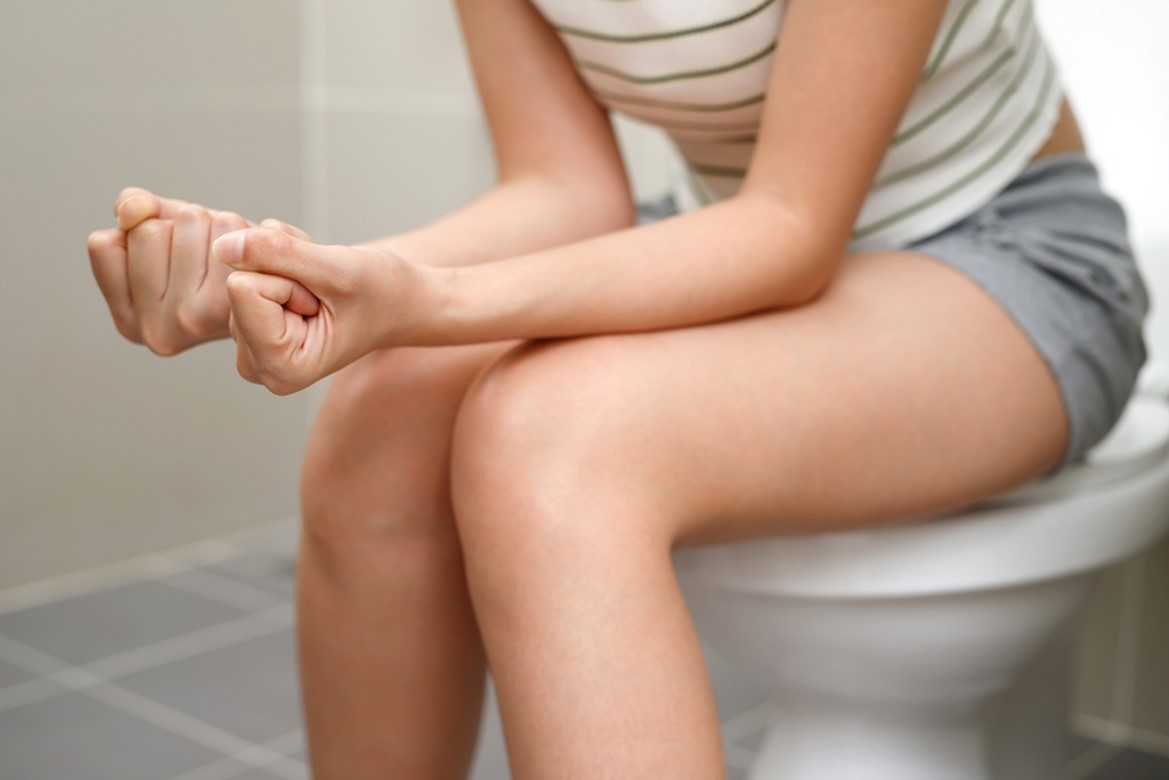

Feeling like you need to make a bowel movement, only to find that nothing happens, or that you still feel “full” afterwards, it can be an uncomfortable, frustrating, and worrying. Many people quietly live with this sensation for weeks or even months, unsure whether it’s normal or something they should get checked.
The good news is that this symptom is quite common, often treatable, and in many cases not serious. Understanding what’s happening inside your bowel can be the first step towards relief.
Feeling like you need to poop but nothing comes out?
This sensation is often described as:
- A constant urge to poop but nothing comes out
- A feeling of pressure in the rectum
- Feeling like you can’t finish pooping
- Having a bowel movement but still feeling full or unsatisfied afterwards
It can come and go, or feel persistent throughout the day. While it’s uncomfortable, it’s important to know that you’re not alone, and there are clear reasons why this happens.
Common reasons for the urge without results
There isn’t one single cause. Often, the sensation comes from how the bowel, rectum, and surrounding muscles are working together.
Constipation or incomplete evacuation
Constipation doesn’t always mean not going to the toilet at all. Sometimes stool remains in the lower bowel, leading to an incomplete bowel movement feeling. This leftover stool can trigger the urge to go again, even when there’s very little to pass.
Straining or tight pelvic floor muscles
Straining on the toilet or having overly tight pelvic floor muscles can interfere with normal bowel emptying. This can create the sensation that something is still there when the bowel is actually empty or unable to relax properly.
IBS (especially IBS-C)
Irritable bowel syndrome, particularly constipation-predominant IBS (IBS-C), is a common cause of ongoing bowel discomfort. People with IBS may experience bloating, cramping, and a frequent feeling of needing to poop but can’t, even without a clear blockage.
Inflammation (proctitis or IBD)
Inflammation in the rectum or bowel lining, such as proctitis or inflammatory bowel disease (IBD), can irritate the nerves that signal the need to pass stool. This irritation can cause a constant urge, even when the bowel is empty.
Haemorrhoids or rectal irritation
Swollen haemorrhoids, fissures, or irritation around the rectum can create pressure and discomfort that mimics the urge to pass stool. This is especially common if there’s pain, itching, or discomfort when sitting.
Understanding tenesmus
The medical term for this sensation is tenesmus.
Tenesmus means “the feeling of needing to pass stool even when your bowel is empty or unable to empty fully.”
It’s a symptom rather than a diagnosis, and it can occur for several of the reasons mentioned above.
While the word itself sounds concerning, tenesmus is often linked to functional bowel issues and irritation rather than anything serious, especially when it occurs without other warning signs.

When should you worry about this symptom?
In many cases, tenesmus improves with simple changes or treatment. However, it’s important to seek medical advice if the sensation is persistent or worsening, or if it’s accompanied by:
- Blood or mucus in your stool
- Unexplained weight loss
- Ongoing abdominal pain
- Fever or signs of infection
- A change in bowel habits lasting more than a few weeks
These symptoms don’t automatically mean something serious, but they do deserve proper investigation.
How to relieve the sensation at home
If your symptoms are mild or intermittent, a few gentle adjustments may help reduce discomfort.
Hydration and fibre
Drinking enough water and gradually increasing fibre intake can help stools pass more easily. Sudden increases in fibre can worsen bloating, so slow and steady changes are best.
Gentle activity
Regular walking or light movement helps stimulate normal bowel function and reduces sluggishness in the digestive system.
Avoid straining
Straining puts pressure on the rectum and pelvic floor, which can worsen tenesmus. Try not to force a bowel movement, allowing your body time to respond naturally is often more effective.
Manage stress and anxiety
The gut and brain are closely connected. Stress and anxiety can heighten bowel sensitivity, making sensations feel stronger or more urgent. Simple relaxation techniques or routine changes can make a noticeable difference.
When to get checked by a specialist
If you frequently feel like you need to go but can’t, or if symptoms are affecting your quality of life, it’s sensible to get checked.
A specialist may recommend:
- Stool tests to check for inflammation or infection
- Imaging or endoscopy (such as a colonoscopy or sigmoidoscopy)
- Functional or motility assessments to see how your bowel is working
Early assessment often brings reassurance, and helps avoid unnecessary worry.
How Endocare can help
At Endocare, we understand how personal and uncomfortable bowel symptoms can feel. Our specialist team offers private bowel health diagnostics in a discreet, supportive setting.
We focus on:
- Identifying the cause of symptoms like tenesmus
- Providing clear explanations without unnecessary medical jargon
- Offering personalised advice and management plans
If you often feel like you need to go but can’t, our specialists can help uncover what’s causing it and guide you towards relief.
Frequently Asked Questions
What does it mean if I feel like I need to poop but nothing comes out?
This sensation is often linked to incomplete bowel emptying, muscle tension, IBS, or irritation of the rectum. It’s commonly referred to as tenesmus.
What is tenesmus?
Tenesmus is the feeling of needing to pass stool even when the bowel is empty or unable to empty fully.
Is it normal to feel like I haven’t finished pooping?
Occasionally, yes. If it happens regularly or feels persistent, it’s worth getting checked.
Can IBS cause this feeling?
Yes. IBS, particularly IBS-C, is a common cause of ongoing rectal pressure and the feeling of incomplete bowel movements.
How do you get rid of tenesmus?
Treatment depends on the cause, but may include dietary changes, managing constipation, reducing inflammation, or addressing muscle tension.


