


Why Do I Have Diarrhoea Every Morning?


Do you find yourself rushing to the toilet every morning? For some, it’s an occasional upset stomach after a heavy meal or a stressful day. For others, diarrhoea every morning becomes a regular and uncomfortable routine.
While it’s common from time to time, experiencing urgent bowel movements soon after waking up or right after breakfast can sometimes point to an underlying digestive issue that needs attention.
In this blog, we’ll explain the most common morning diarrhoea causes, how to spot red flags, and when you should speak to a specialist.
Is Morning Diarrhoea Normal?
Occasional loose stools in the morning can be perfectly normal, especially after eating certain foods, drinks, or having stressful days. The body’s natural waking hormones and digestive rhythm can make your bowels more active at the beginning of the day.
However, diarrhoea first thing in the morning that happens most days or lasts for weeks isn’t something to ignore. Persistent or chronic morning diarrhoea can have a huge impact on an individual, affecting energy, mood, and daily life, and could be a sign of a digestive disorder.

What Does Morning Diarrhoea Feel Like?
Typical symptoms or morning diarrhoea include:
- Urgent need to use the toilet soon after waking
- Loose or watery stool in the morning
- Cramping, discomfort, or gurgling in the lower abdomen
- Relief after going to the toilet, followed by fatigue or bloating
Some people find they’re fine for the rest of the day, experiencing diarrhoea only in the morning but fine later. However, others may continue to have symptoms after meals.

Common Causes of Diarrhoea in the Morning
Stress and anxiety:
Morning is when cortisol – the body’s “stress hormone” - naturally peaks. For people who are prone to stress or anxiety, this can overstimulate the gut and lead to an urgent need to poop in the morning. Stress affects gut mobility, which makes stools looser.
IBS-D (Irritable Bowel Syndrome with diarrhoea):
IBS morning diarrhoea is a common pattern. With this condition, the bowel becomes extra sensitive and reactive. This can cause cramping and frequent, loose stools, especially after waking or eating.
Food triggers from the night before:
Eating late at night or eating trigger foods can irritate the digestive tract by morning. Fatty, spicy, or sugary foods can often speed up bowel movement, causing diarrhoea after breakfast or soon after waking.
Coffee on an empty stomach:
Caffeine stimulates the gut’s natural contractions, which can make morning coffee a trigger for urgent bowel movements in the morning – especially if drunk before food.
High-sugar or fatty breakfast:
Greasy or processed breakfast foods can cause stomach cramps after eating and speed up digestion. This may explain why you get diarrhoea after eating breakfast or certain foods.
Overactive bowel or poor gut motility:
Some people’s digestive systems move food too quickly. This “fast-transit” bowel can cause watery stool in the morning, especially after having heavy or rich meals the day before.

Could It Be a Digestive Disorder?
Diarrhoea in the morning every now and then is usually nothing serious, but regular or persistent morning diarrhoea could be linked to a medical condition, like:
IBS (Irritable Bowel Syndrome):
IBS often causes morning diarrhoea, bloating, and cramping that improves after passing stool. It’s one of the most common causes of chronic digestive upset and can be triggered by stress, food, or hormones.
IBD (Crohn’s disease or ulcerative colitis):
Inflammatory bowel disease causes inflammation in the digestive tract, which can cause frequent loose stools, urgency, and sometimes blood. Unlike IBS, IBD can also cause fatigue, fever, and weight loss.
Coeliac disease:
If you experience diarrhoea every morning and other symptoms like bloating, fatigue, or weight changes, gluten intolerance of coeliac disease could be a factor.
Bile acid malabsorption:
This happens when the body doesn’t properly absorb bile acids in the small intestine. The result can be chronic morning diarrhoea, bloating, and urgency after eating fatty foods.
Infection or stomach bug:
A recent infection or imbalance in gut bacteria can sometimes cause lingering diarrhoea, even after the initial illness passes.
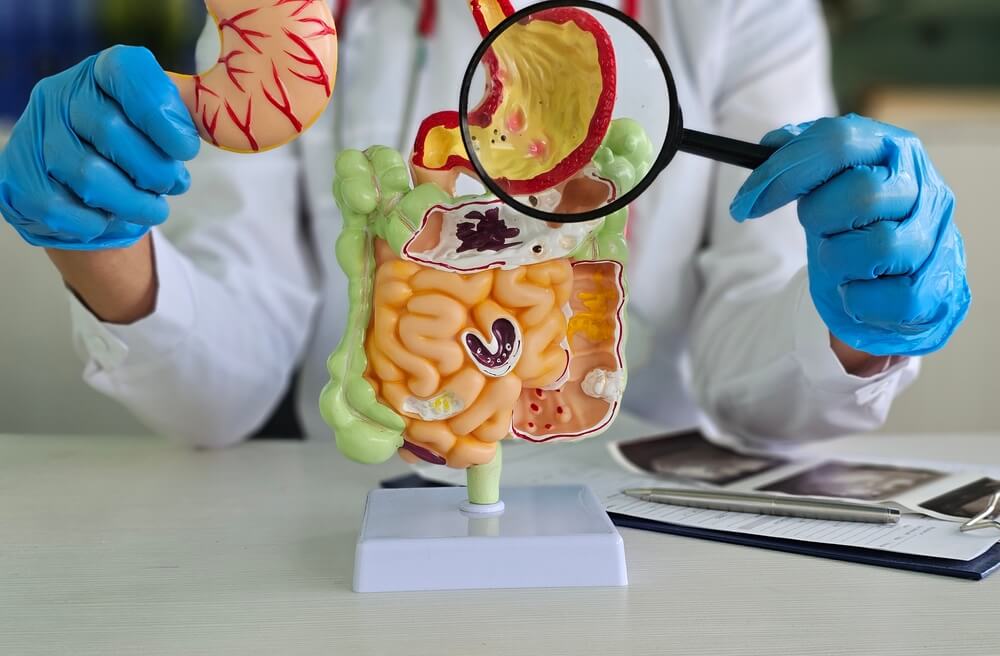
Morning Diarrhoea Red Flags: When to See a Doctor
Most cases of morning diarrhoea resolve on their own, but you should seek medical advice if you experience:
- Blood in your stool
- Unexplained weight loss
- Severe or ongoing abdominal pain
- Diarrhoea lasting longer than two weeks
- Diarrhoea waking you up at night
- Mucus in stool or fever
These symptoms may indicate an underlying digestive or inflammatory condition that requires further assessment.

How to Manage or Reduce Morning Diarrhoea at Home
Track food intake and timing:
By keeping a food diary, you can identify patterns in your bowel movements, like if diarrhoea after breakfast occurs only after certain foods or drinks.
Reduce caffeine or adjust breakfast habits:
Try switching your morning coffee for herbal tea or having it after eating. Opt for gentle breakfast options such as porridge, eggs, or yoghurt.
Lower stress levels in the morning:
Gentle breathing, stretching, or mindfulness before breakfast can calm the gut-brain axis and reduce cortisol-driven bowel activity.
Stay hydrated:
Frequent loose stools can cause dehydration. Aim to sip water throughout the morning and consider an electrolyte drink if diarrhoea persists.
Try low-FODMAP adjustments:
Reducing high-FODMAP foods (like onions, garlic, and certain fruits) can help some people manage diarrhoea.

When to Get Professional Help:
If you’ve had diarrhoea every morning for more than two weeks or if it’s affecting your daily life, it’s time to investigate further.
Here at Endocare Diagnostics, we offer a range of specialist gut assessments designed to uncover the root cause of your symptoms. These may include:
- Stool and blood tests to check for inflammation or infection
- Food intolerance or coeliac testing
- Colonoscopy to examine the digestive tract
- Gut motility tests to assess bowel movement patterns
As a Bupa-approved private diagnostics centre, we provide quick access to expert-led testing, with no long waiting lists, and a personalised treatment plan once we know what’s causing your symptoms.
If you’re experiencing diarrhoea most mornings, our team can help identify the underlying cause and design a personalised treatment plan to help you find relief – get in touch today.
FAQs
Is it normal to have diarrhoea every morning?
Occasional loose stools in the morning can happen to anyone. However, if it’s happening most days or lasting longer than two weeks, it could be a sign of an underlying digestive condition like IBS, bile acid absorption, or food intolerance.
Why do I have loose stool only in the morning?
The gut naturally becomes more active in the morning due to hormonal changes and increased movement. However, if this leads to watery stool in the morning regularly, factors like stress, diet, or IBS could contribute.
Is morning diarrhoea a sign of IBS?
Possibly, yes. IBS with diarrhoea (IBS-D) commonly causes diarrhoea first thing in the morning, often accompanied by cramping or urgency. If your symptoms continue, diagnostic testing can help confirm whether IBS or another condition is to blame.
How can I stop having diarrhoea in the morning?
Try reducing caffeine, eating smaller and gentler breakfasts, and managing morning stress. If symptoms continue, it’s best to speak to a gut specialist. Here at Endocare Diagnostics, we can run tests to pinpoint the cause and help you find lasting relief.


