


Why Do I Have Excessive Gas and Burping?


When wind or burping becomes a daily frustration, it can really affect your confidence. Many patients come to us describing excessive gas and burping, gassy stomach discomfort, or simply feeling bloated and full of air.
However, these symptoms are incredibly common, and in many cases, easily explained. While some causes are simple habits you can adjust, others may point to underlying digestive issues.
In this blog, we’ll break down the causes of trapped wind, why burping after eating happens, practical ways to reduce symptoms, and when it’s worth speaking to a specialist.
What Causes Trapped Gas or Burping?
Some common causes of trapped gas or burping include:
Swallowing air when you eat or drink:
This is one of the most common trapped wind causes. Eating quickly, chewing gum, talking while eating, or drinking through straws can all increase the amount of air you swallow, which then escapes as burps.
Fizzy drinks and carbonated beverages:
Fizzy drinks introduce gas directly into your stomach. Even sparkling water can trigger excessive gas and burping, especially if you drink it quickly.
Gas-forming foods:
Some foods naturally create more gas as they’re broken down. Common foods include beans, lentils, onions, broccoli, cauliflower, and high-fibre foods. These foods aren’t “bad,” but if you start suddenly eating more of them, your gut may react.
Food intolerances:
If your body struggles to digest certain foods like lactose or gluten, the undigested sugars can ferment in the gut, leading to excessive burping and bloating. You may also notice wind, cramps, or loose stools after certain meals.
Bacterial imbalance or IBS:
Conditions like IBS or small intestinal bacterial overgrowth (SIBO) can make the gut produce more gas than usual.
Stress or “nervous swallowing”:
When you’re anxious, you may swallow more air without realising it. Stress also changes how the gut moves, which can worsen gassy stomach discomfort.

How to Relieve Trapped Gas
Eat slowly and chew properly:
Slowing down when eating reduces how much air you swallow and gives your stomach time to signal fullness. Many people are surprised with how much this alone reduces burping after eating.
Avoid fizzy or carbonated drinks:
This includes sparkling water, fizzy energy drinks, and anything that naturally releases bubbles into the stomach.
Try gentle exercise or abdominal massages:
Movement helps gas travel through the intestine rather than sitting painfully in one place. A short walk after meals can be highly effective.
Use peppermint tea or probiotics cautiously:
Peppermint can help relax the digestive tract and encourage trapped wind to pass. Probiotics may help some people, but can worsen symptoms in others (especially those with SIBO), so testing first is helpful.
If you ever find yourself Googling how to relieve trapped wind, most home remedies fall into these categories: movement, hydration, and reducing swallowed air.

When Should You Worry About Gas or Burping?
Most of the time, gas is harmless – just inconvenient. However, it’s important to seek medical advice if you notice:
- Constant or severe bloating
- Weight loss you can’t explain
- Blood in your stool
- Ongoing diarrhoea or constipation
- Night-time symptoms that wake you
- Burping combined with upper-stomach pain
Persistent excessive gas and burping can occasionally be linked to conditions like IBS, SIBO, reflux, or food intolerance, all of which can be investigated and treated.

When to See a Doctor or Specialist
If you’ve tried lifestyle changes and you’re still dealing with constant gas or flatulence, it’s time for a deeper look.
Here at Endocare Diagnostics, we assess digestive symptoms in detail through:
- Breath tests (for SIBO and lactose intolerance)
- Stool tests (to analyse gut health and inflammation)
- Food intolerance testing
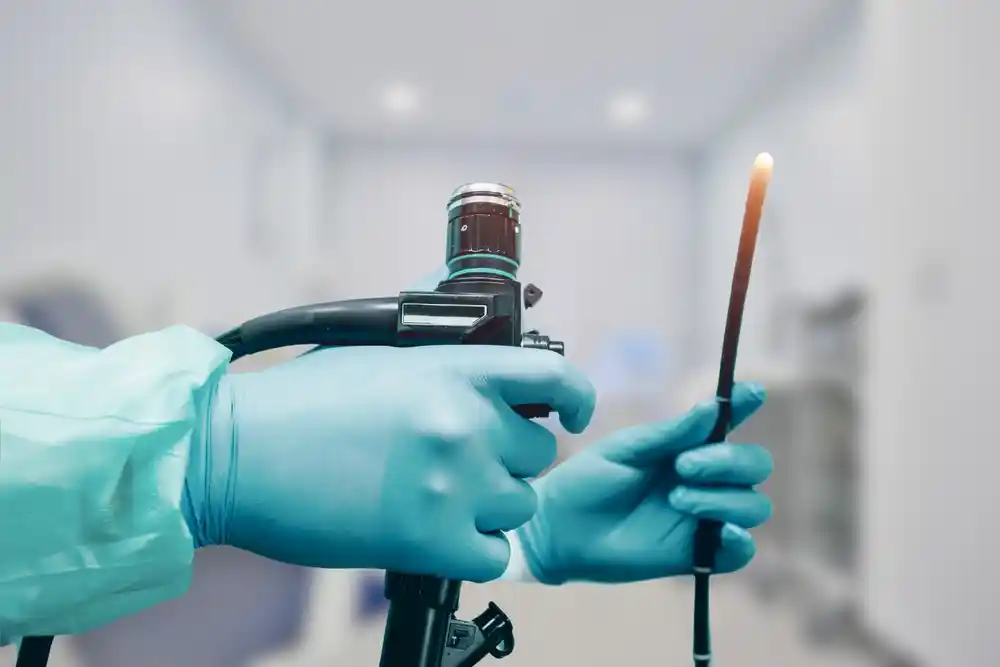
- Endoscopy or gastroscopy
These tests help identify whether your symptoms are caused by diet, gut bacteria, intolerance, or something else entirely.
How Endocare Diagnostics Can Help
Here at Endocare Diagnostics, our consultants take a sensitive and practical approach, focusing on the underlying reason your gut is reacting the way it is.
With private, Bupa-approved appointments and no long waiting times, you can get answers quickly and begin a personalised treatment plan tailored to your symptoms.
If you’re struggling with constant gas or burping, our diagnostic experts can help uncover what’s causing it and provide treatment options tailored to your unique symptoms – get in touch with our team today.
FAQs
Why do I burp all the time?
Frequent burping is usually caused by swallowed air, fizzy drinks, or eating too quickly. However, persistent burping can also be linked to reflux, intolerance, or gut bacteria changes.
How can I relieve trapped wind fast?
Gentle movement, stretching, peppermint tea, and avoiding large or fizzy drinks can quickly help ease trapped wind.
When is excessive burping a concern?
If burping is constant, painful, or comes with weight loss, nausea, or changes in bowel habits, it’s important to speak to a specialist to identify the cause.
Can IBS cause gas and burping?
Yes. IBS and similar gut conditions can cause excess gas production, bloating, and burping due to increased gut sensitivity and bacterial imbalance.


