


Why Does My Stomach Feel Tight or Hard?


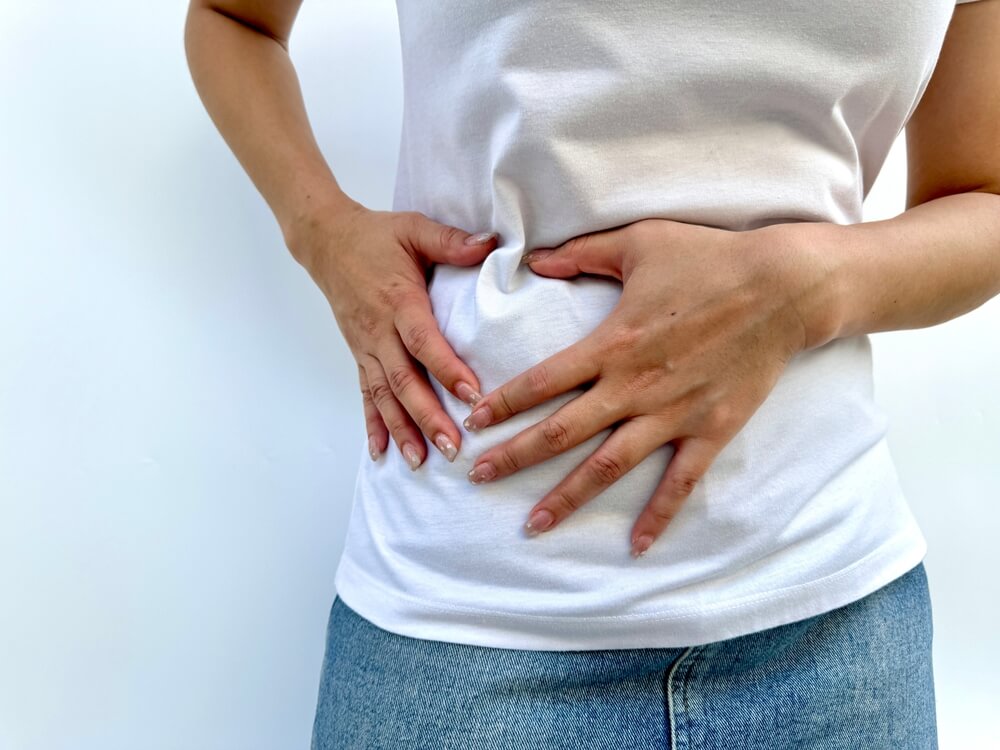
Feeling as though your stomach is firm, swollen, or unusually tight can be uncomfortable and sometimes alarming. Many people describe the sensation as pressure in the stomach area, a tightness in the upper abdomen, or simply that their stomach feels full and hard.
The reality is, a hard or tight stomach is most often caused by temporary changes like gas buildup or bloating. However, if it happens regularly or doesn’t go away, it’s important to understand why.
In this blog, we’ll explain the most common reasons your stomach might feel tight or hard, when to seek medical advice, and how our specialists here at Endocare Diagnostics can help find the underlying cause.
Why Your Stomach Might Feel Tight or Hard
Most of the time, this symptom is harmless and short-lived. It can come after a large meal, a fizzy drink, or even a stressful day. Your stomach and intestines are sensitive to changes in food, gas, and muscle tension. When they become stretched or irritated, the abdomen can feel firm or distended.

Common Causes of a Hard or Swollen Stomach
Gas buildup and bloating:
Excess gas is one of the most common reasons the stomach feels hard and bloated. When gas gets trapped in the digestive tract, it can stretch the abdomen and create pressure. Fizzy drinks, certain vegetables, and swallowing air while eating can all contribute.
If bloating is something you notice often, you may find our Why Am I Bloated All the Time? blog helpful.
Constipation:
When waste builds up in the intestines, it can create a sensation of fullness or tightness. Constipation is a common cause of a hard stomach after eating, especially when combined with reduced movement or low fibre intake.
Eating too quickly or large meals:
Overeating or rushing meals can stretch the stomach muscles and cause temporary firmness. It can also lead to trapped air, which adds to the sense of tightness or pressure.
Food intolerance (dairy, gluten, FODMAPs):
If your stomach feels tight but not bloated, you could be reacting to a specific food. Lactose, gluten, and high-FODMAP foods often cause discomfort, gas, or sluggish digestion in sensitive individuals.
Abdominal muscle tension from stress:
Emotional stress and anxiety don’t just affect the mind – they also trigger the body’s physical “fight or flight” response. The abdominal muscles can tighten without you realising, creating the feeling of a tight stomach without bloating.

When Stomach Tightness Might Mean Something More
Occasional tightness or swelling is usually nothing to worry about. But if your swollen abdomen feels constant, painful, or different from your usual digestive symptoms, it’s possible there’s another cause.
IBS or functional bloating:
Irritable Bowel Syndrome (IBS) can cause chronic bloating and abdominal tension, even without visible swelling. You may also experience alternating constipation and diarrhoea, or changes in bowel habits. Check out our Stomach Pain After Eating blog to explore this in more detail.
Fluid buildup (ascites):
A tight or swollen abdomen that develops gradually over weeks or months can sometimes be due to fluid buildup in the abdominal cavity, known as ascites. This is less common but should always be assessed by a doctor.
Enlarged organs or abdominal causes (rare):
Sometimes, a firm abdomen can be linked to enlargement of internal organs like the liver, spleen, or uterus. While rare, this is something a physical examination or scan can help rule out.
Pregnancy or hormonal changes:
In women, hormonal fluctuations or early pregnancy can cause mild bloating and tightness in the lower abdomen.
When to See A Doctor About a Hard Stomach
Most people will experience temporary bloating or tightness at some point. However, it’s important to seek medical advice if you notice:
- Persistent swelling or firmness that doesn’t go away
- Ongoing discomfort, pain, or nausea
- Loss of appetite or unexplained weight changes
- Bloating that doesn’t improve after adjusting your diet
- A swollen abdomen that feels different to your usual pattern
Even if your symptoms seem mild, a proper assessment can rule out anything serious and bring you peace of mind.
How to Relieve Stomach Tightness
Eat smaller portions:
Large meals can stretch your stomach and make it feel tight or uncomfortable.
Stay hydrated:
Water helps digestion and prevents constipation-related bloating.
Avoid carbonated drinks:
Fizzy beverages increase gas buildup and pressure.
Gentle movement and stretching:
A short walk or light exercise can help relieve trapped gas and muscle tension.
Manage stress:
Relaxation or breathing exercises can ease abdominal muscle tightening caused by anxiety.
How Endocare Can Help
Here at Endocare Diagnostics, we help patients find clarity when symptoms like tightness, bloating, or discomfort become persistent. Our consultant-led clinic offers a range of diagnostic tests for bloating, IBS, and food intolerances, helping to pinpoint the exact cause rather than just manage symptoms.
With private Bupa-approved testing, you can access expert investigations quickly and without lengthy waiting times. Once we understand what’s happening inside your digestive system, we’ll develop a personalised care plan to help you feel comfortable again.
If your stomach often feels tight or hard, our team can help identify what’s causing it with specialist diagnostic testing – get in touch with our team today.
FAQs
Is a hard stomach a sign of bloating?
Yes, often. When gas or air fills the digestive tract, it can make the stomach feel firm or distended. This type of bloating is common and usually temporary, but frequent tightness should be checked by a specialist.
Why does my stomach feel tight after eating?
This can happen when you eat too quickly, overeat, or consume foods that are difficult to digest. Gas buildup or delayed digestion can leave your stomach feeling full and hard after a meal.
Can stress cause stomach tightness?
Yes. Stress and anxiety can cause your abdominal muscles to tense up, leading to tightness or pressure in your stomach area. Relaxation techniques, gentle movement, and good posture can help ease this.
Should I see a doctor for a swollen stomach?
If this swelling persists for more than a few days, causes pain, or doesn’t improve with simple changes, you should seek medical advice. A diagnostic assessment can rule out underlying causes like IBS, food intolerance, or fluid buildup.


