


Why Does My Stomach Swell but I’m Not Gaining Weight?


Noticing that your stomach looks swollen even though the number on the scales has not changed can be confusing and upsetting. Many people worry they are gaining weight, when in reality something very different is happening inside the digestive system.
A swollen or distended stomach without weight gain is extremely common. In most cases, it is caused by bloating rather than fat. Understanding the difference can help reduce anxiety and point you towards the right solution.
This article explains why your stomach may swell without weight gain, how to tell what is causing it, and when it may be worth seeking specialist advice.
Swollen stomach but the same weight? Here’s why it happens
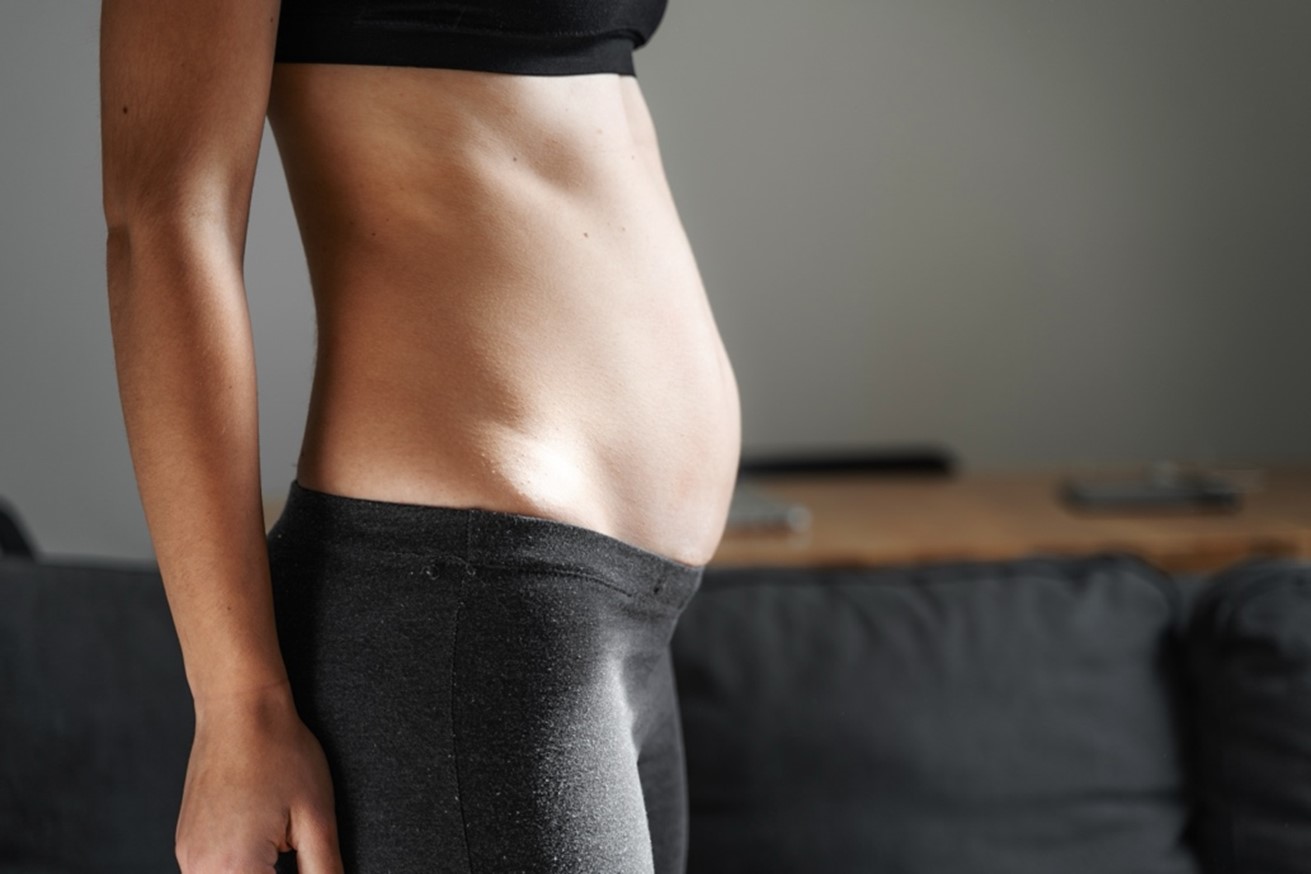
If your stomach looks larger at certain times of the day but your weight stays the same, this is almost always due to bloating, not fat gain.
Bloating happens when gas, air, or fluid builds up in the digestive system. This causes the abdomen to expand temporarily, sometimes quite dramatically. It can make your stomach feel tight, uncomfortable, or stretched, even if you have not eaten much.
Key differences to understand:
- Bloating and swelling are temporary
- Fat gain is gradual and consistent
- Bloating can change hour by hour
- Weight usually remains stable
Many people notice their stomach is flatter in the morning and more swollen by the afternoon or evening. That pattern strongly suggests bloating rather than weight gain.

Common causes of stomach swelling
There are several reasons your stomach may swell without any increase in body weight. Some are related to digestion, while others involve hormones or stress.
Gas and trapped air
Gas is one of the most common causes of a swollen stomach. It can build up when:
- You eat quickly
- You swallow air while eating or drinking
- You drink fizzy drinks
- Certain foods ferment in the gut
Gas can cause the abdomen to expand and feel tight or uncomfortable. It may also come with burping, flatulence, or a feeling of pressure.
Food intolerances
Food intolerances often cause bloating rather than immediate pain. Common triggers include:
- Dairy products
- Gluten or wheat
- Onions and garlic
- Certain fruits and vegetables
- Artificial sweeteners
When your gut struggles to break down certain foods, gas is produced as they ferment in the digestive tract. This can lead to visible stomach swelling after meals.
Hormonal bloating
Hormonal changes can affect digestion and fluid balance. Many women notice bloating:
- Before or during their period
- At certain points in their cycle
- During perimenopause or menopause
Hormonal bloating can make the lower abdomen appear swollen and may fluctuate from day to day.
IBS or digestive motility issues
Irritable Bowel Syndrome can make the gut more sensitive and reactive. People with IBS often experience:
- Abdominal bloating
- Swelling that worsens throughout the day
- Changes in bowel habits
- Relief after passing stool or gas
Digestive motility issues can also slow down or speed up how food moves through the gut, increasing gas build-up and swelling.
Stress and abdominal tension
Stress does not just affect the mind. It can have a direct impact on digestion.
When you are stressed or anxious, your abdominal muscles may tense and your digestion may slow down. This can trap gas and make the stomach appear more swollen. Many people notice bloating worsens during stressful periods, even if their diet has not changed.

How to tell if it’s bloating, fat, or fluid
Understanding what type of swelling you are dealing with can help guide next steps.
It is more likely bloating if:
- Your stomach size changes during the day
- You wake up flatter in the morning
- Swelling improves after passing gas or having a bowel movement
- Your weight stays the same
It may be fat gain if:
- Your weight is increasing steadily
- The change is consistent and does not fluctuate
- The swelling does not reduce overnight
Fluid-related swelling is less common but may be associated with other symptoms such as leg swelling or shortness of breath and should be checked by a doctor.
When stomach swelling might indicate something more
While bloating is usually harmless, there are situations where stomach swelling should be investigated further.
Ascites or organ-related swelling
Rarely, fluid can build up in the abdomen due to liver, heart, or other medical conditions. This type of swelling tends to be persistent and may be accompanied by discomfort or breathlessness.
Persistent swelling with other symptoms
You should seek medical advice if stomach swelling is accompanied by:
- Ongoing abdominal pain
- Unexplained weight loss
- Loss of appetite
- Persistent diarrhoea or constipation
- Blood in your stool
- Swelling that does not come and go
In these cases, diagnostic testing can help rule out underlying conditions.
How to reduce abdominal swelling
If your stomach swelling is due to bloating, these steps may help:
- Eat slowly and chew food thoroughly
- Avoid foods that consistently trigger bloating
- Eat smaller meals more frequently
- Stay well hydrated
- Reduce fizzy drinks
- Manage stress through gentle movement or relaxation techniques
- Keep a food and symptom diary to identify patterns
These changes often reduce bloating significantly, but they may not fully resolve symptoms if there is an underlying digestive issue.
When to see a specialist
If your stomach regularly swells despite lifestyle changes, or if bloating is affecting your confidence or comfort, it may be time to seek specialist input.
Diagnostic testing can help identify causes such as:
- Food intolerances
- IBS
- Bacterial imbalance in the gut
- Inflammatory conditions
- Digestive motility issues
How Endocare can help
Endocare provides specialist digestive assessment and diagnostics, including:
- Food intolerance testing
- Stool analysis
- Breath tests for gut bacteria and lactose intolerance
- Imaging and endoscopy when appropriate
- Personalised care plans based on clear diagnosis
All services are delivered privately, with rapid access and Bupa-approved pathways.
If your stomach often swells without weight gain, it is worth checking for underlying digestive issues. Endocare’s team can help identify the cause and guide you towards effective treatment.
FAQ
Why does my stomach stick out even though I’m not overweight?
This is usually caused by bloating from gas, food intolerance, IBS, or hormonal changes rather than fat gain.
Is a swollen belly always bloating?
Most of the time it is, especially if it fluctuates during the day. Persistent swelling should be checked.
Why does my stomach swell during the day?
Eating, digestion, gas build-up, and stress can all contribute to swelling that worsens as the day goes on.
Can stress cause a swollen stomach?
Yes. Stress can slow digestion and increase abdominal muscle tension, leading to bloating.
Should I see a doctor for persistent bloating?
If bloating is ongoing, painful, or affecting your quality of life, a specialist assessment is recommended.


