


Can Stress or Anxiety Cause Stomach Problems or Diarrhoea?


If you have ever felt your stomach churn before an important meeting, exam, or stressful situation, you have already experienced how closely the brain and digestive system are connected.
Stress and anxiety can have a powerful effect on the gut. In fact, many people notice symptoms such as stomach pain, bloating, diarrhoea, or nausea during periods of emotional pressure.
While occasional stress related digestive discomfort is common, persistent symptoms can be distressing and may signal that your digestive system is under strain. Understanding the connection between stress and the gut can help you recognise what is happening and when to seek medical advice.
How are stress and the gut connected?
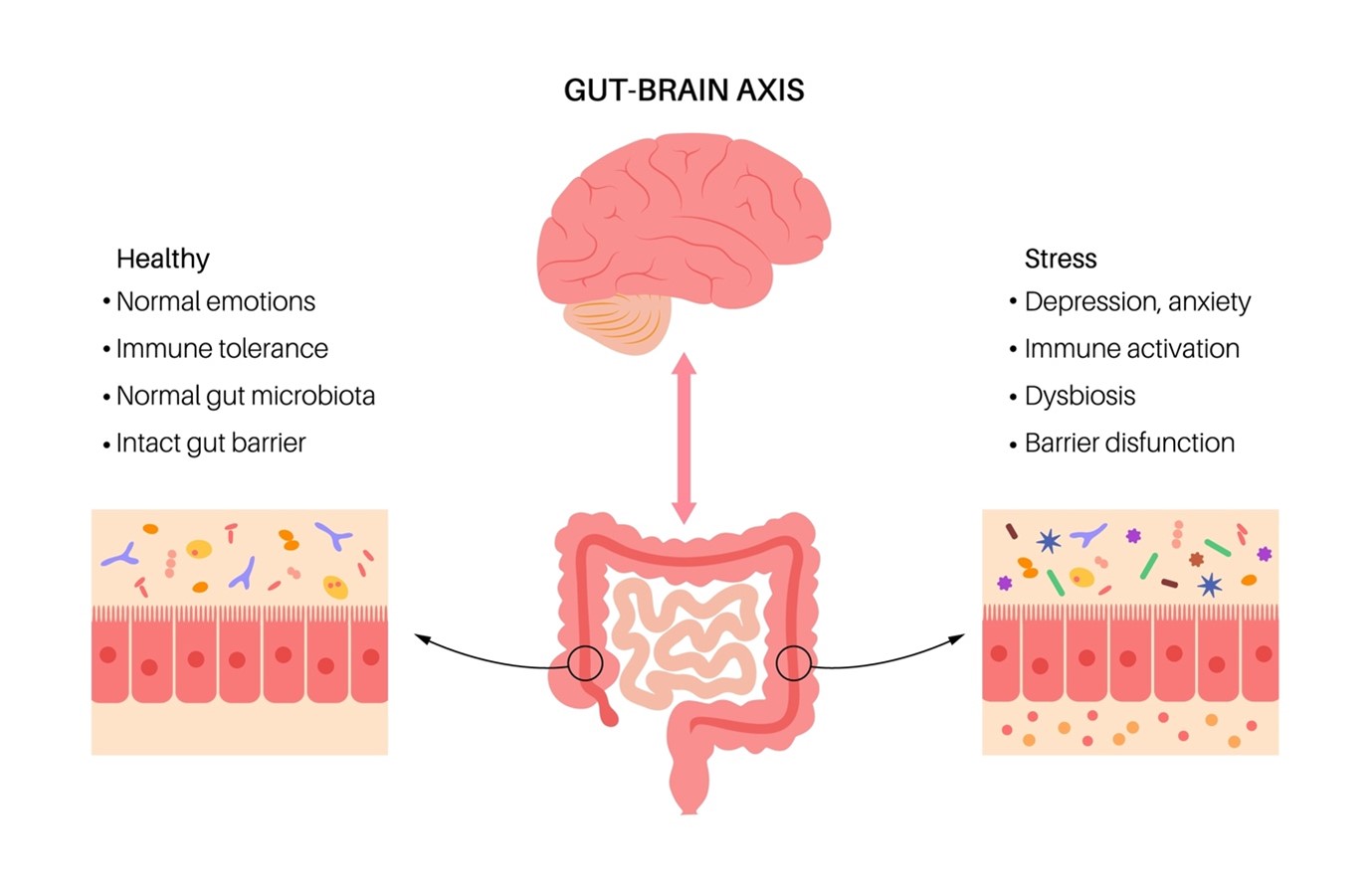
The digestive system and brain communicate constantly through what is known as the gut brain axis. This is a network of nerves, hormones, and chemical signals that link the brain and digestive tract.
When you experience stress or anxiety, the brain releases hormones that prepare the body for a "fight or flight" response. These hormones can affect the digestive system in several ways.
They can:
- Speed up bowel movement
- Increase gut sensitivity
- Alter stomach acid levels
- Change how the gut muscles contract
- Affect the balance of gut bacteria
These changes can lead to symptoms such as diarrhoea, bloating, or abdominal discomfort.
Common digestive symptoms caused by stress
Stress related digestive problems can appear in different ways depending on how your body responds.
Common symptoms include:
- Stomach cramps
- Diarrhoea
- Loose stools
- Nausea
- Bloating
- Loss of appetite
- Indigestion
- Urgent need to use the toilet
Some people notice symptoms mainly in stressful situations, while others experience ongoing digestive issues during prolonged periods of anxiety.
Why stress can cause diarrhoea
One of the most common digestive symptoms linked to stress is diarrhoea.
When the body senses stress, it increases activity in the colon. This speeds up the movement of stool through the digestive tract. Because food moves through the bowel more quickly, the body has less time to absorb water. The result can be loose or watery stools.
For some people, this may happen occasionally before stressful events. For others, particularly those with sensitive digestion, it can become more frequent.

Stress and Irritable Bowel Syndrome (IBS)
Stress is a well known trigger for Irritable Bowel Syndrome.
People with IBS often have a digestive system that reacts strongly to emotional stress. During stressful periods, symptoms such as abdominal pain, bloating, diarrhoea, or constipation may worsen.
The connection between IBS and stress works both ways. Digestive symptoms can increase anxiety, which in turn can worsen gut symptoms.
This cycle can make symptoms difficult to manage without proper support.
Can anxiety cause long term stomach problems?
Occasional digestive upset linked to stress is normal. However, long term anxiety can contribute to ongoing digestive symptoms.
Chronic stress can affect the gut in several ways:
- It may disrupt the balance of gut bacteria
- It can increase inflammation in the digestive system
- It can affect how the gut muscles move food through the bowel
- It can make the digestive system more sensitive to pain
Over time, this can lead to persistent symptoms that require investigation.
How to recognise stress related digestive symptoms
Stress related stomach problems often have certain patterns.
You may notice that symptoms:
- Appear during stressful situations
- Improve when stress levels decrease
- Occur before important events or travel
- Fluctuate depending on emotional wellbeing
However, it is important not to assume stress is the only cause. Digestive symptoms should always be properly assessed if they are persistent.

When should digestive symptoms be investigated?
Although stress can cause digestive problems, other conditions may produce similar symptoms.
You should seek medical advice if you experience:
- Diarrhoea lasting more than two weeks
- Blood in your stool
- Unexplained weight loss
- Severe abdominal pain
- Persistent nausea or vomiting
- Ongoing fatigue
- Symptoms that wake you during the night
These symptoms may indicate an underlying digestive condition that requires medical investigation.
Ways to support digestive health during stressful periods
Managing stress can often improve digestive symptoms. Some strategies that may help include:
- Regular physical activity
- Mindfulness or breathing exercises
- Adequate sleep
- Balanced meals at regular times
- Limiting caffeine and alcohol
- Taking breaks during busy periods
For many people, reducing stress levels can significantly improve gut symptoms.
How Endocare can help
If stress or anxiety seems to trigger stomach problems, it is still important to rule out underlying digestive conditions. Symptoms such as diarrhoea, bloating, or abdominal pain can overlap with several gastrointestinal disorders.
At Endocare, our specialist gastroenterology team provides comprehensive assessment for ongoing digestive symptoms. This may include stool testing, intolerance testing, and evaluation for conditions such as IBS or inflammatory bowel disease where appropriate.
Because our services are private and Bupa approved, you can access diagnostic testing quickly and receive clear answers without long waiting times. Identifying the true cause of symptoms allows you to manage them effectively and avoid unnecessary worry.
If stress or anxiety regularly causes stomach problems, our diagnostic team can help identify the cause and guide you towards effective treatment.
FAQ
Can anxiety cause diarrhoea?
Yes. Stress hormones can speed up bowel movement, which may lead to loose stools or urgency.
Why does my stomach hurt when I am stressed?
Stress can increase gut sensitivity and change how digestive muscles contract.
Can stress cause IBS symptoms?
Stress does not cause IBS directly but it can trigger or worsen symptoms.
How do I calm my stomach when stressed?
Relaxation techniques, regular meals, and reducing caffeine may help manage symptoms.
Should I see a doctor if stress causes stomach problems?
If symptoms are persistent, severe, or accompanied by warning signs, medical assessment is recommended.


