


Why Does Coffee Cause Gut Symptoms?


For many people, coffee is an essential part of the day. It helps you wake up, concentrate, and feel energised. But if you regularly experience bloating, stomach discomfort, urgency, or loose stools after drinking coffee, you are not imagining it.
Coffee can have a powerful effect on the digestive system. For some people, this effect is mild and predictable. For others, it can trigger uncomfortable and sometimes disruptive gut symptoms.
If you have found yourself wondering why coffee seems to upset your stomach, this guide explains the most common causes, what may be happening inside your gut, and when it might be worth getting checked.
Is it normal for coffee to affect your digestion?
To a certain extent, yes. Coffee naturally stimulates the digestive tract. That is why many people feel the urge to use the toilet shortly after their morning cup.
However, there is a difference between a mild, expected bowel movement and ongoing symptoms such as:
- Bloating after coffee
- Cramping or abdominal discomfort
- Acid reflux
- Nausea
- Loose stools
- Urgent need to pass stool
- Ongoing stomach irritation
If coffee consistently causes these symptoms, your digestive system may be more sensitive than average.
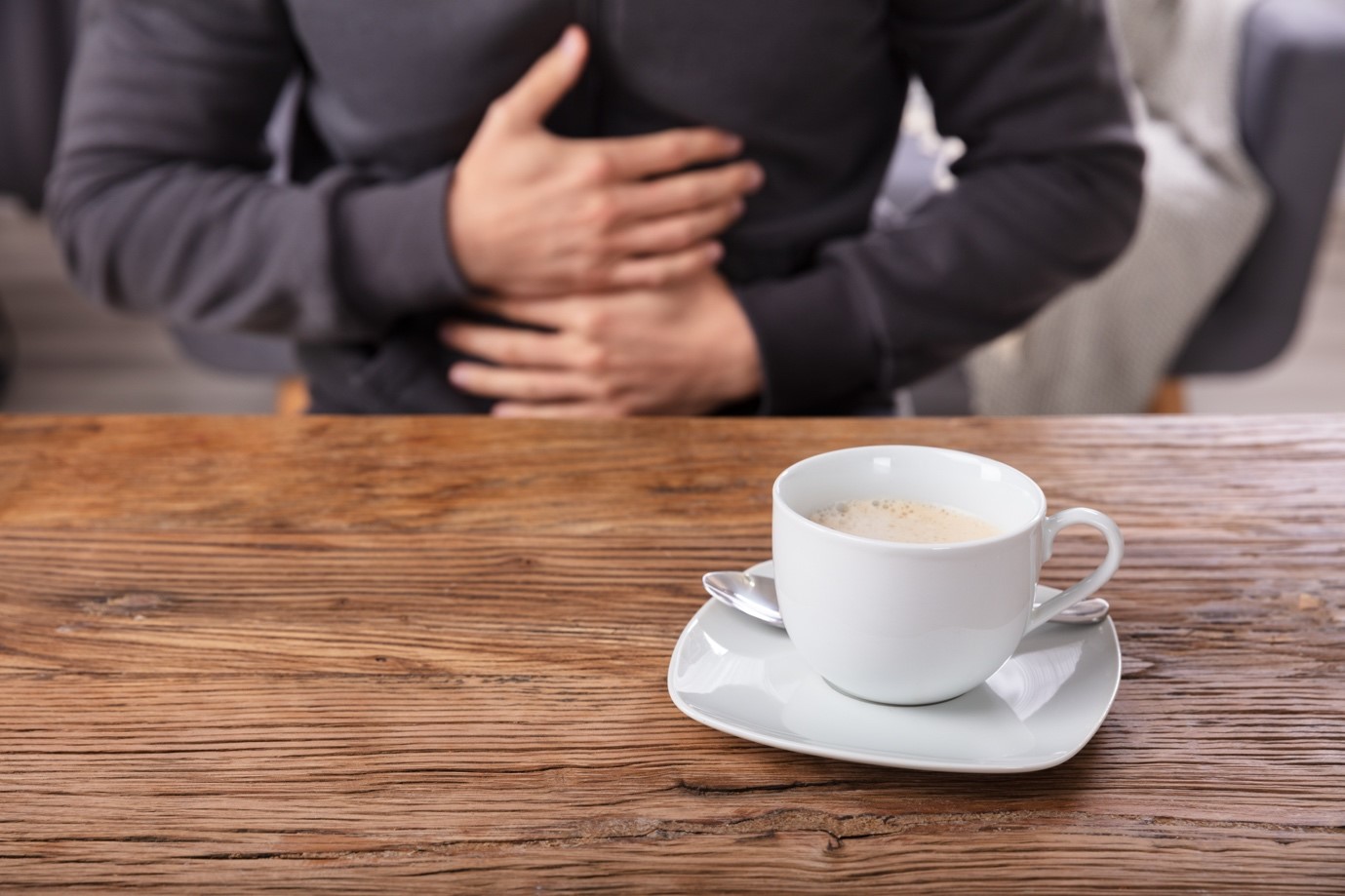
How coffee affects the gut
Coffee influences the digestive system in several different ways.
1. It stimulates the colon
Coffee increases activity in the colon, the part of the bowel responsible for forming and passing stool. This stimulation can trigger the urge to go to the toilet within minutes.
For some people, especially those with sensitive digestion, this stimulation is stronger than normal. It may lead to urgency or loose stools.
2. It increases stomach acid
Coffee encourages the stomach to produce more acid. While stomach acid is essential for digestion, excess acid can irritate the stomach lining and oesophagus.
This may cause:
- Heartburn
- Upper abdominal discomfort
- A burning sensation
- Nausea
- Indigestion
Drinking coffee on an empty stomach can intensify this effect.
3. It affects gut hormones
Coffee stimulates the release of certain digestive hormones that increase gut movement. In people with a sensitive gut, this can accelerate digestion too quickly, leading to diarrhoea or cramping.
4. It may alter gut sensitivity
Some individuals have heightened gut sensitivity, meaning normal digestive activity feels uncomfortable. Coffee can amplify this sensitivity, especially in people with existing digestive conditions.

Common reasons coffee causes bloating or diarrhoea
Irritable Bowel Syndrome (IBS)
IBS is one of the most common reasons coffee causes gut symptoms.
If you have IBS, your digestive system reacts more strongly to certain triggers. Coffee is a frequent trigger because it:
- Speeds up bowel movement
- Stimulates nerve endings in the gut
- Increases sensitivity
People with diarrhoea dominant IBS often find coffee worsens urgency and loose stools.
Acid reflux or gastritis
If coffee causes burning pain or nausea rather than lower abdominal symptoms, it may be aggravating reflux or stomach inflammation.
Symptoms may include:
- Chest burning
- Sour taste in the mouth
- Pain after drinking coffee
- Feeling sick after your first cup
In this case, acid production is the likely cause.
Caffeine sensitivity
Caffeine is a stimulant. It increases heart rate, alertness, and gut movement. Some people are more sensitive to caffeine and may experience:
- Rapid bowel movement
- Diarrhoea
- Cramping
- Anxiety linked gut symptoms
Even small amounts can trigger symptoms in sensitive individuals.
Milk or cream in coffee
Sometimes it is not the coffee itself but what you add to it.
If you are lactose intolerant, milk in coffee may cause:
- Bloating
- Gas
- Loose stools
Switching to lactose free or plant based milk may help clarify the trigger.
Artificial sweeteners
Many sugar free sweeteners are poorly absorbed in the gut. They can ferment and cause gas, bloating, and diarrhoea.
If you use sweeteners in coffee, they may be contributing to symptoms.

Why does coffee make me need the toilet immediately?
Coffee triggers what is known as the gastrocolic reflex. This reflex increases colon movement when food or drink enters the stomach.
In people with sensitive digestion, this reflex can be exaggerated. The bowel contracts more strongly than necessary, leading to urgency.
If you regularly experience sudden bowel movements after coffee, this reflex is likely involved.
Can coffee cause bloating even without diarrhoea?
Yes. Coffee can increase gas production and gut movement without causing loose stools.
You may notice:
- A swollen stomach
- Increased burping
- Trapped wind
- A heavy or tight feeling
This is particularly common in people with IBS or gut bacteria imbalance.
When should you worry about coffee related gut symptoms?
Mild urgency after coffee is common and not usually serious.
However, you should seek medical advice if:
- Symptoms occur even when you avoid coffee
- Diarrhoea is persistent
- You notice blood in your stool
- You have unexplained weight loss
- You experience ongoing abdominal pain
- Reflux symptoms are severe or worsening
Coffee may be highlighting an underlying issue rather than being the sole cause.
How to reduce coffee related gut symptoms
If coffee seems to trigger symptoms, you can try:
- Limiting to one cup per day
- Switching to decaffeinated coffee
- Avoiding coffee on an empty stomach
- Choosing lower acid blends
- Reducing added milk or sweeteners
- Drinking coffee after food instead of before
Monitoring your response can help identify patterns.
How Endocare can help
If coffee regularly causes digestive symptoms, it may indicate an underlying sensitivity such as IBS, lactose intolerance, acid reflux, or gut bacteria imbalance.
At Endocare, our specialist gastroenterology team carries out comprehensive digestive assessments tailored to your symptoms. Depending on your presentation, this may include stool testing, intolerance testing, evaluation for IBS, and assessment for inflammatory or structural digestive conditions where appropriate.
Because our services are private and Bupa approved, you can access diagnostic testing quickly and receive clear answers without long waiting times. Identifying the underlying cause allows you to manage symptoms confidently rather than relying on trial and error.

FAQ
Why does coffee make me bloated?
Coffee stimulates digestion and can increase gas production, especially in people with IBS or sensitive stomachs.
Can coffee cause diarrhoea every day?
Yes, particularly if you are sensitive to caffeine or have IBS.
Is decaf coffee better for gut symptoms?
It may help if caffeine is the trigger, but some people still react to other compounds in coffee.
Why does coffee cause stomach pain?
It increases stomach acid, which can irritate the stomach lining.
Should I stop drinking coffee completely?
Not necessarily. If symptoms are persistent or severe, proper testing can help identify the underlying cause.


