


Why Is My Stool Always Loose or Watery (and Is It Normal)?
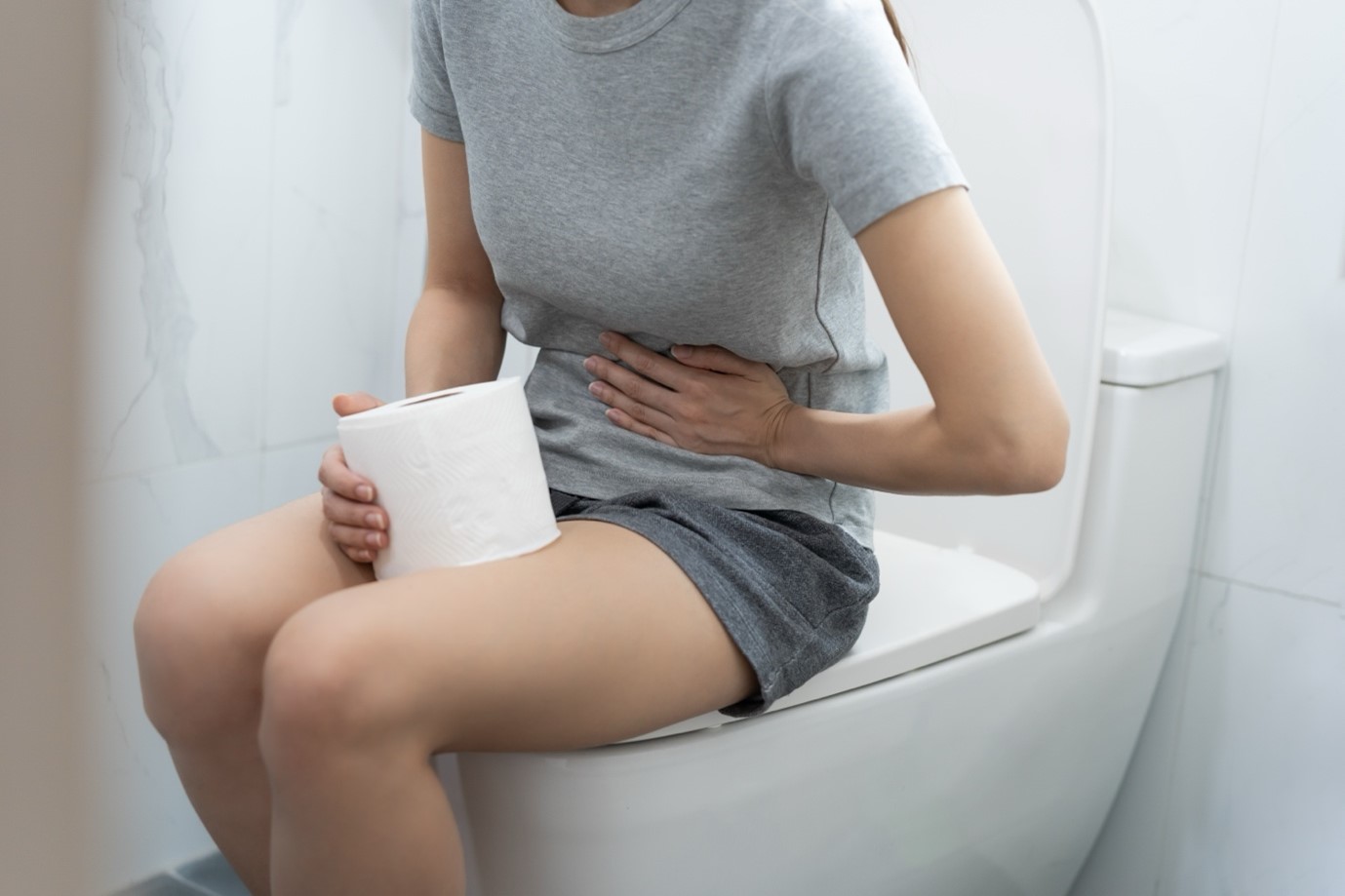

If your stool is often loose or watery, it can be worrying, frustrating, and sometimes embarrassing to talk about. You might find yourself wondering if it is something you ate, a temporary bug, or a sign that something more serious is going on.
The truth is that occasional loose stools are common, especially after rich foods, stress, or a change in routine. However, if your stool is loose every day or for several weeks, it is worth paying attention.
This guide explains what loose stool can mean, what causes it, and when it might be time to speak to a specialist.
Is it normal to have loose stools all the time?
Loose stools can happen to anyone from time to time. Your bowel movements can change based on what you eat, how much water you drink, stress levels, medication, illness, or even your menstrual cycle.
That said, there is an important difference between:
- Occasional loose stool, which often resolves quickly
- Ongoing loose stool, which may indicate a digestive issue that needs investigating
A helpful way to think about it is:
- If it happens once or twice after a specific trigger, it is usually not serious
- If it happens most days, or continues for more than two weeks, it should not be ignored
You also do not need to have frequent toilet trips for it to be a concern. Some people have soft or runny stool once per day, and it still affects digestion, comfort, and confidence.
Common causes of loose or watery stools
Loose stool can be caused by many different things. Some are temporary and simple, while others are linked to underlying conditions.
Diet (spicy, oily, or high sugar foods)
Diet is one of the most common causes of loose stool. Certain foods can speed up digestion or irritate the gut lining.
Typical triggers include:
- Fried or oily foods
- Spicy meals
- High sugar foods and fizzy drinks
- Large meals
- Artificial sweeteners such as sorbitol
Some people also find that alcohol or excessive caffeine can make stools looser.
Food intolerance or sensitivity
Food intolerances can cause loose stools without the typical symptoms people expect. You do not always get severe pain or obvious reactions.
Common culprits include:
- Dairy and lactose
- Gluten or wheat
- High FODMAP foods such as onion, garlic, apples, and beans
If your loose stool happens soon after eating, or only after certain meals, intolerance is worth considering.
IBS D (diarrhoea dominant IBS)
IBS can affect how quickly food moves through the bowel and how sensitive your gut is. IBS D often causes:
- Loose or watery stools
- Urgency
- Bloating
- Cramping
- Symptoms that worsen with stress
Many people with IBS notice that symptoms come and go. They may have flare ups followed by periods of improvement.
Infections or gut bacteria imbalance
A stomach bug or infection can cause diarrhoea, but sometimes symptoms continue even after the infection clears.
This can happen if:
- Your gut bacteria balance is disrupted
- The digestive system becomes more sensitive afterwards
- Inflammation takes time to settle
If you have recently been ill or had food poisoning, it may explain why your stool consistency has changed.
Stress and anxiety
The gut and brain are closely connected. Stress can speed up digestion, affect gut movement, and change how the bowel behaves.
Loose stools may happen during stressful periods, including:
- Work pressure
- Travel anxiety
- Major life changes
- Panic or chronic stress
Some people notice loose stools mainly in the morning or before events, which can be a strong indicator that stress is playing a role.
When loose stool may signal something more serious
Most causes of loose stool are manageable, but it is important to rule out conditions that need medical treatment.
Coeliac disease
Coeliac disease is an immune reaction to gluten that damages the lining of the small intestine. It can lead to:
- Loose stools or diarrhoea
- Bloating
- Fatigue
- Weight loss
- Nutrient deficiencies
Some people have subtle symptoms, so testing is essential if coeliac disease is suspected.
IBD (Crohn’s disease or ulcerative colitis)
Inflammatory bowel disease can cause:
- Persistent diarrhoea
- Blood or mucus in the stool
- Abdominal pain
- Weight loss
- Fatigue
If you have loose stools along with these symptoms, it is important to seek medical advice quickly.
Malabsorption issues
If your body is not absorbing nutrients properly, stool can become loose and unpleasant. Malabsorption can cause:
- Frequent loose stools
- Floating stools
- Strong smelling stools
- Weight loss
- Feeling weak or tired
This can happen for various reasons, and testing can help identify the cause.
When to see a doctor
You should consider medical advice if:
- Loose stool continues for more than two weeks
- Your stool is watery most days
- You see blood or mucus in your stool
- You experience abdominal pain that is worsening
- You have unexplained weight loss
- You feel weak, dehydrated, or fatigued
- Symptoms return regularly despite diet changes
Even if you feel embarrassed, these symptoms are extremely common, and doctors see them every day. It is always better to get reassurance and a clear plan.
How to improve loose stool at home
If your symptoms are mild and do not involve red flags, these steps can help:
Avoid trigger foods
Try reducing common irritants such as:
- Dairy
- Fried foods
- Coffee
- Spicy meals
- Alcohol
- Very high sugar foods
A food diary can help you spot patterns.
Stay hydrated
Loose stools can lead to dehydration, even if you do not go to the toilet frequently. Drink water throughout the day and consider electrolytes if symptoms are persistent.
Try soluble fibre
Soluble fibre helps absorb water and improve stool consistency. Foods that can help include:
- Oats
- Bananas
- White rice
- Applesauce
- Potatoes
Be cautious with probiotics
Probiotics help some people but can worsen bloating in others. If you try them, monitor symptoms closely and stop if things feel worse.
How Endocare can help
If you have ongoing loose or watery stools, a professional endoscopy can help identify the underlying cause and rule out anything serious.
This helps you move from guessing and worrying to having a clear diagnosis and tailored plan.
If you’ve had ongoing loose or watery stools, our diagnostic team can identify what’s causing it so you can get relief faster – get in touch today.

FAQ
Why is my stool always loose but not diarrhoea?
Loose stool can happen without frequent toilet trips. Food intolerance, IBS, stress, or diet triggers can affect consistency even once per day.
What foods cause loose stools?
Common triggers include spicy meals, fried food, high sugar foods, caffeine, alcohol, and dairy.
Can stress cause loose stools?
Yes. Stress affects gut movement and can trigger looser stools, especially in people with sensitive digestion.
How long is too long to have loose stools?
If loose stool lasts more than two weeks or keeps coming back, it is worth investigating.
What tests are done for chronic loose stool?
Testing may include stool analysis, intolerance testing, blood tests, and in some cases imaging or endoscopy.


