


When Should I See a Doctor for Ongoing Digestive Issues?
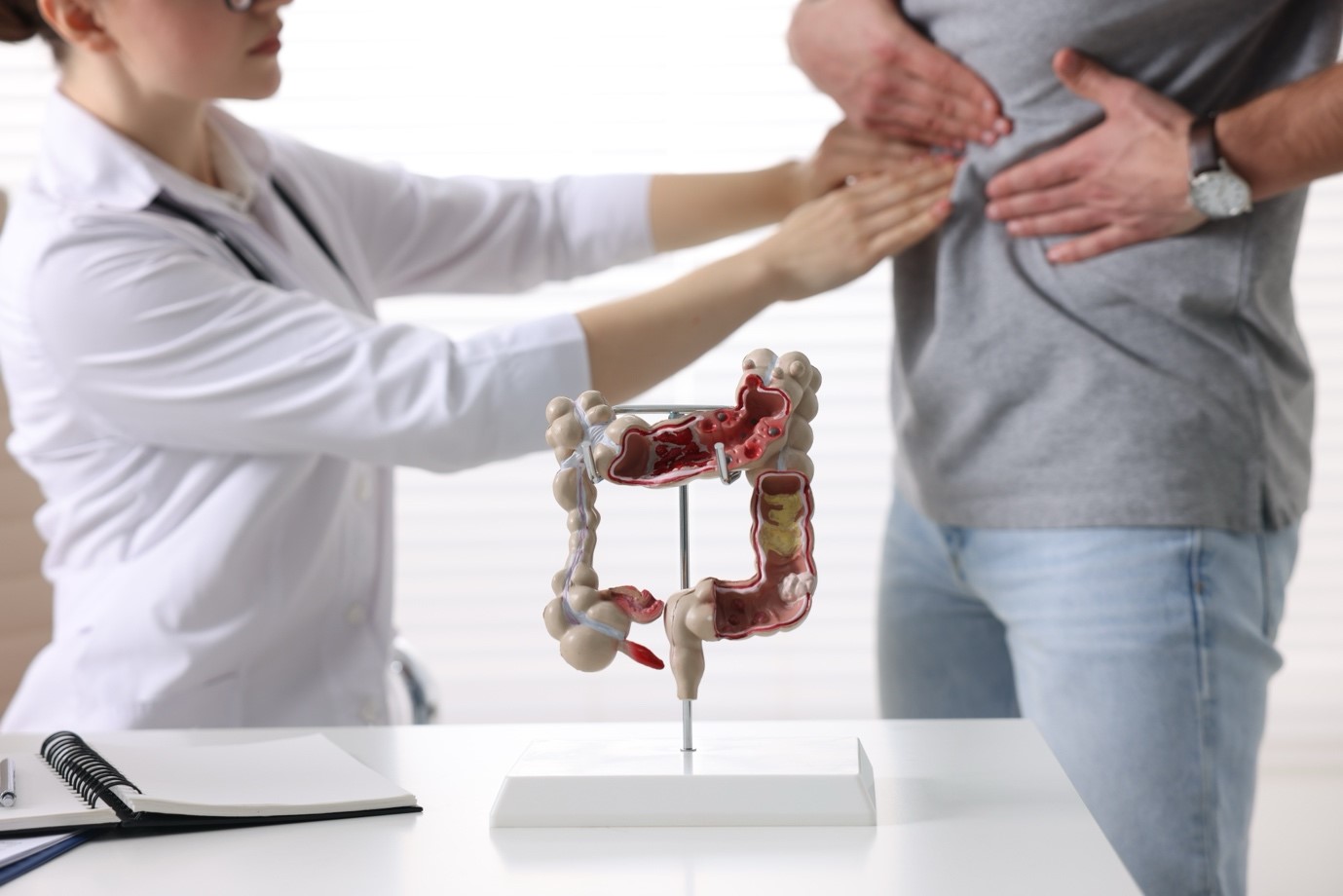

Digestive problems are extremely common. Many people experience symptoms such as bloating, stomach pain, diarrhoea, constipation, or acid reflux from time to time. Often these issues are temporary and improve with small changes to diet or lifestyle.
However, when digestive symptoms continue for weeks or months, it can start to affect your comfort, confidence, and daily routine. You may find yourself wondering whether what you are experiencing is normal, or whether it is time to seek medical advice.
Knowing when to see a doctor for ongoing digestive issues can help you get the right support early and avoid unnecessary worry.
How common are digestive problems?
Digestive symptoms are one of the most common reasons people seek medical advice. The digestive system is complex and reacts to many different factors including diet, stress, infection, medication, and underlying medical conditions.
Common digestive symptoms include:
- Bloating
- Abdominal pain or cramps
- Diarrhoea
- Constipation
- Excess gas
- Acid reflux or heartburn
- Nausea
- Changes in bowel habits
Many of these symptoms occur occasionally and resolve on their own. However, persistent symptoms should not be ignored.
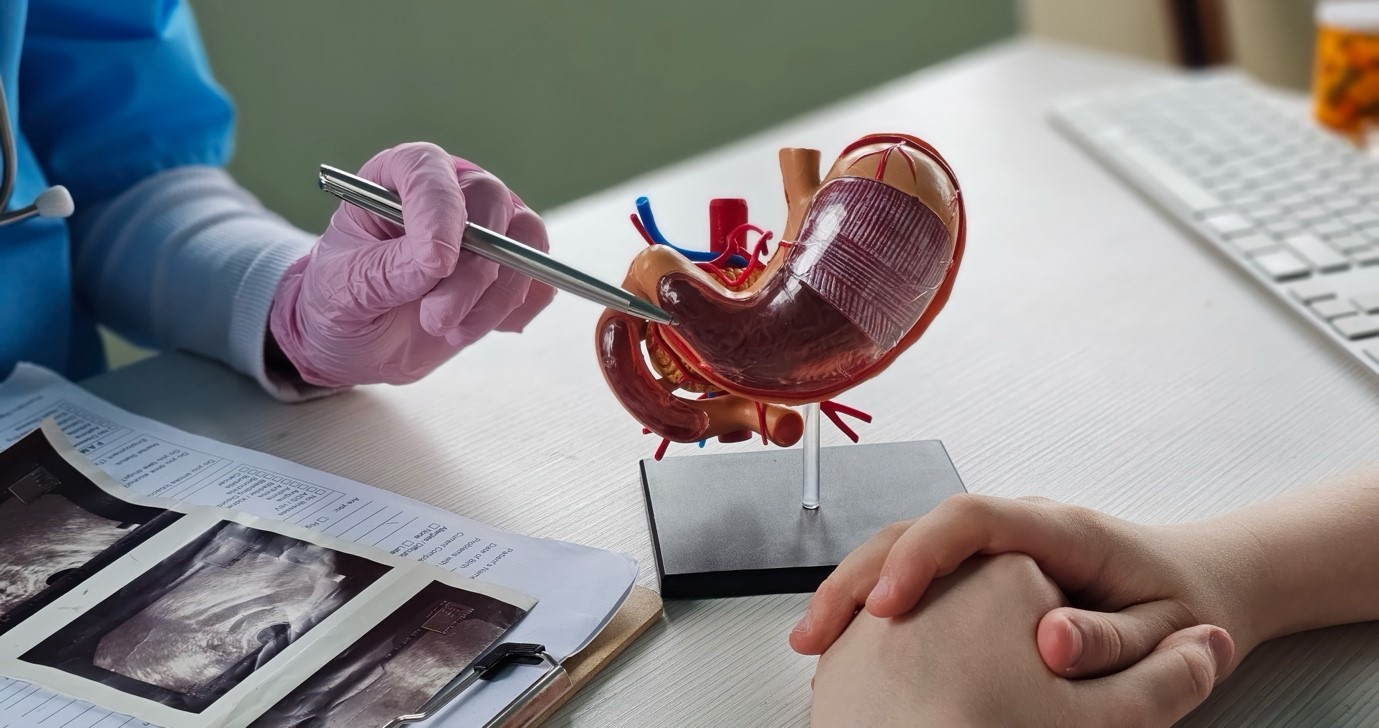
When digestive symptoms are usually harmless
Short term digestive symptoms are often caused by temporary triggers such as:
- Eating large or rich meals
- Food intolerances
- Stress or anxiety
- Mild stomach infections
- Changes in diet
- Travel or disruption to routine
In these situations, symptoms usually improve within a few days or after addressing the trigger.
Signs your digestive symptoms should be investigated
If digestive problems continue for several weeks, it may be time to speak to a healthcare professional.
You should consider seeing a doctor if you experience:
Symptoms lasting longer than two weeks
Persistent symptoms such as bloating, diarrhoea, constipation, or stomach pain that last more than two weeks may indicate an underlying digestive condition.
Frequent diarrhoea or constipation
Occasional changes in bowel habits are normal, but ongoing diarrhoea or constipation should be assessed, particularly if symptoms are worsening or affecting daily life.
Ongoing abdominal pain
Persistent stomach pain or cramping should always be investigated, especially if the pain is severe or worsening.
Unexplained weight loss
Losing weight without trying may signal that your body is not absorbing nutrients properly or that another condition is affecting digestion.
Blood in your stool
Blood in the stool should always be assessed by a healthcare professional. While it may be caused by something minor such as haemorrhoids, it can also be a sign of more serious conditions.
Persistent bloating
Occasional bloating is common, but ongoing or severe bloating that does not improve may be linked to digestive disorders.
Fatigue linked to digestive symptoms
If digestive symptoms are accompanied by tiredness or weakness, this may indicate nutrient deficiencies or other underlying issues.

Digestive conditions that may require diagnosis
Persistent digestive symptoms can be linked to several conditions, including:
- Irritable Bowel Syndrome (IBS)
- Coeliac disease
- Food intolerances
- Inflammatory bowel disease
- Gut bacteria imbalance
- Acid reflux or gastritis
Because many digestive conditions share similar symptoms, testing is often needed to identify the exact cause.
Why early investigation matters
Many people delay seeking help for digestive problems. This may happen because symptoms feel embarrassing, inconvenient, or easy to ignore.
However, early investigation has several benefits.
It can:
- Provide reassurance if symptoms are not serious
- Identify treatable digestive conditions
- Prevent symptoms from worsening
- Improve quality of life
Understanding the cause of symptoms also helps avoid unnecessary dietary restrictions or trial and error approaches.
What happens during a digestive assessment
When you see a specialist for digestive symptoms, the process usually begins with a discussion of your symptoms, medical history, and lifestyle factors.
Depending on your symptoms, investigations may include:
- Blood tests
- Stool testing
- Food intolerance testing
- Breath tests for digestive conditions
- Imaging or endoscopy where appropriate
These tests help determine whether symptoms are related to IBS, intolerance, inflammation, infection, or other digestive conditions.

When symptoms affect your daily life
Even if digestive symptoms are not severe, they should not be ignored if they affect your daily wellbeing.
Many people seek help because symptoms are interfering with:
- Work or social activities
- Confidence and comfort
- Sleep
- Diet and eating habits
Digestive health plays an important role in overall wellbeing, and ongoing symptoms deserve proper attention.
How Endocare can help
If you are experiencing ongoing digestive symptoms, specialist testing can help identify the underlying cause and guide effective treatment.
At Endocare, our gastroenterology team provides comprehensive diagnostic assessments for symptoms such as bloating, abdominal pain, diarrhoea, constipation, and reflux. Depending on your symptoms, this may include stool testing, intolerance testing, blood tests, and further investigations where necessary.
Because our services are private and Bupa approved, you can access diagnostic testing quickly and receive clear answers without long waiting times. Identifying the cause of symptoms allows you to move forward with confidence and receive personalised care.
If you have ongoing digestive symptoms and are unsure whether to seek help, our diagnostic team can provide the answers and reassurance you need.
FAQ
How long should digestive symptoms last before seeing a doctor?
If symptoms persist for more than two weeks or keep returning, medical advice is recommended.
Are ongoing digestive problems normal?
Occasional symptoms are common, but persistent issues should be investigated.
What tests are done for digestive problems?
Tests may include blood tests, stool analysis, intolerance testing, and imaging depending on symptoms.
Should I see a specialist for IBS symptoms?
If symptoms are persistent or affecting daily life, specialist assessment can help confirm the diagnosis and guide treatment.
Can diet alone fix digestive problems?
Diet changes can help, but identifying the underlying cause ensures the right treatment approach.


